Renovation

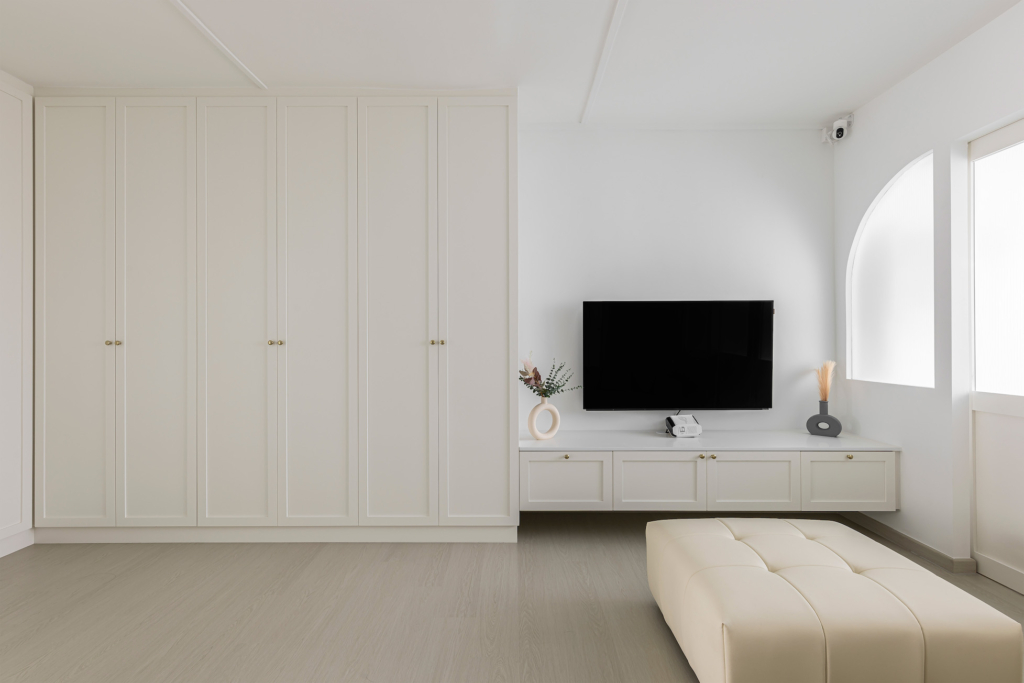
"LANDED – COASTAL LIVING @ MENG SUAN - 32"

Landed Interior Design Singapore: Styles, Costs & Renovation Guide (2026)

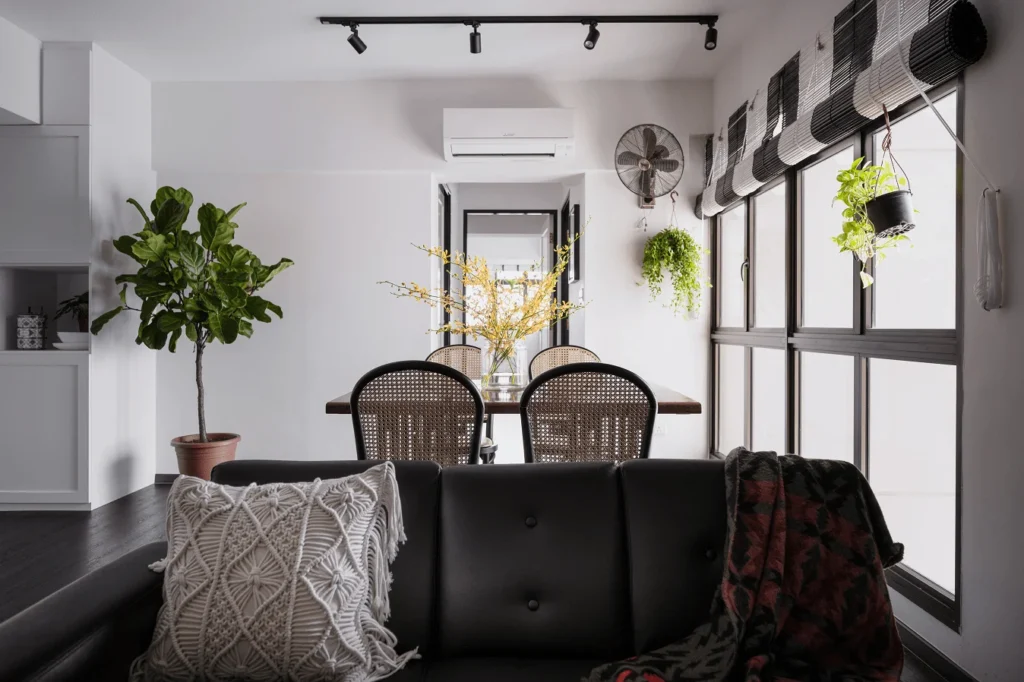
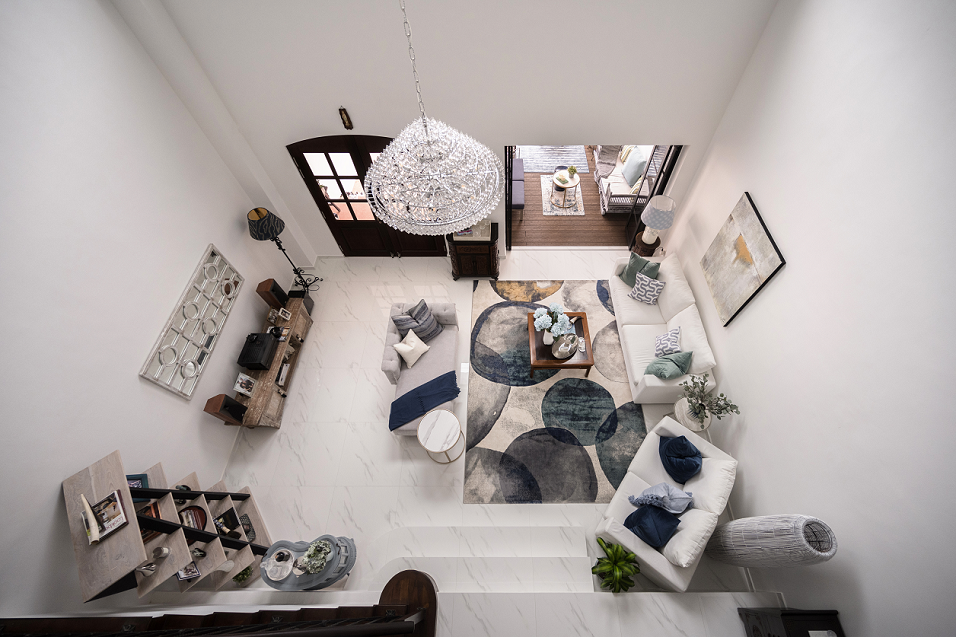
Designing a landed home in Singapore is completely different from renovating an HDB flat or condo. With multiple floors, larger layouts, outdoor areas, and fewer structural restrictions, landed properties offer a lot more flexibility, but they also require strategic planning. If not designed properly, even a large home can feel cramped and disconnected. From placing staircases so it does not occupy much space to strategically placing windows to maximise lighting strategy and outdoor integration, every decision affects how your home will feel in the long run. This guide covers everything you need to know about landed interior design in Singapore, including popular styles, layout planning tips, renovation costs, and how to choose the right designer. What Makes Landed Interior Design Different in Singapore Landed homes typically include multiple levels, private gardens, terraces, basements, and roof decks. These features require a holistic design approach that connects all spaces seamlessly. Feature HDB Flat Condominium Landed Property Property Size Small to medium Medium Large Number of Floors Single level Single level  Multi-storey Design Flexibility Limited Moderate High Outdoor Space None Balcony Garden, terrace, roof deck Lighting Planning Basic Moderate Complex multi-level lighting Permit Requirements HDB approval required MCST + condo rules Structural approvals only Renovation Timeline 6–10 weeks 8–12 weeks 4–9 months Basic Renovation Cost $30K – $50K $60K – $90K $120K – $200K Mid-Range Renovation Cost $50K – $70K $90K – $130K $200K – $400K High-End Renovation Cost $70K – $100K+ $130K – $200K+ $400K – $800K+ Pros Budget-friendly, faster renovation, simple planning Balanced flexibility, good amenities Maximum customisation, large space, luxury potential Cons Limited layout changes, strict rules MCST restrictions, moderate flexibility Higher cost, longer timeline, complex planning Best For Budget-conscious homeowners Mid-range customisation Fully customised luxury homes Apart from other differences, landed homes in Singapore also come with French Chic Style @ Ashwood Another thing that sets a landed home apart from an HDB or condo is that the living and dining areas are often placed on the ground floor, bedrooms on upper floors, and entertainment areas in basements. This zoning improves privacy and functionality. Material selection is also important. The materials you choose for floors, walls, and outdoor finishes should be durable and weather-resistant, especially for homes with balconies or terraces. 5 Popular Landed Interior Design Styles in Singapore Modern Minimalist Landed Interior Design Modern minimalist interiors emphasise clean lines, neutral palettes, and layouts that help reduce visible clutter. This style makes your home look spacious while maintaining a sleek appearance. Coastal Living @ Meng Suan This style is best for homeowners seeking simplicity and easy maintenance. As can be seen in the image above, the modern minimalist design adds a touch of elegance and beauty while keeping things simple and uncluttered. Landed Scandinavian Homes Scandinavian design combines functionality with warmth. Light wood tones, soft colours, and cosy textures create a welcoming environment. This style suits family-friendly landed homes. As can be seen in the image below, the landed home has been beautifully designed with light wood tones and cosy textures. However, the designers have added a unique touch to this Scandinavian design by adding a pop of dark colours. This creates a striking balance and contrast among the elements, resulting in a tranquil and serene ambience.  Coastal Living @ Meng Suan This style is best suited for comfort-focused and practical living in Singapore. Industrial Style for Landed Interiors Industrial interiors feature raw textures such as concrete, metal, and exposed beams. These elements work well in double-volume living rooms or basement entertainment areas. Adding modern fixtures and trendy furniture along with these raw textures can create a unique and appealing space. Industrial design for landed homes is suited to bold and contemporary aesthetics. Contemporary Luxury Landed Interior Design This style incorporates premium materials, marble surfaces, and statement lighting. It enhances the grandeur of larger landed homes. This is the ideal design style for landed homes in Singapore, as the large space creates the perfect canvas for designers and homeowners to work their magic through premium materials and elements. If you value high-end elements and timeless design, then the contemporary luxury style is the one for you! Modern Tropical Landed Home Modern tropical interiors focus on ventilation, greenery, and natural materials. Large openings connect indoor and outdoor areas, making it ideal for Singapore’s climate. The touch of nature in this design style creates a fresh and beautiful atmosphere which can elevate one’s mood and enhance visual appearance as well. Opt for natural elements and textures like bamboo, ratan, and fur and give the space a pop of colour by placing natural plants throughout the space. The resulting interior will focus on nature-inspired living, that will be aestheically appealing and stunning . Planning Tips for Landed Property Interior Design Proper planning ensures your landed home remains functional long term. Plan Vertical Zoning: Separate public and private areas across floors to improve privacy and circulation. Prioritise Natural Ventilation: Cross-ventilation reduces reliance on air conditioning and improves comfort. Make Every Corner Count: Use under-stair storage, built-in cabinets, and concealed wardrobes. Create Flexible Spaces: Design rooms that can adapt to changing needs, such as a study that can be converted into a guest room. Consider Lighting Early: Plan skylights, large windows, and layered lighting solutions. How Much Does Landed Interior Design Cost in Singapore? The cost of a landed house renovation varies depending on property size, materials, and the scope of work. Typical renovation ranges: A few factors that affect the cost include: However, we always recommend our customers set aside a 10 – 15% contingency budget for unforeseen changes. Layout & Space Planning for Landed Homes Open-plan layouts are increasingly popular for landed homes. They create seamless transitions between living, dining, and kitchen areas. Double-volume ceilings enhance spaciousness but should be paired with proper acoustic planning. Staircase placement is crucial. Central staircases improve accessibility, while side staircases create larger living spaces. Outdoor connectivity is also important. Sliding glass doors connecting indoor spaces to gardens create a fluid experience. Bedroom layouts should prioritise

Landed Interior Design Singapore: Styles, Costs & Renovation Guide (2026) Read More »
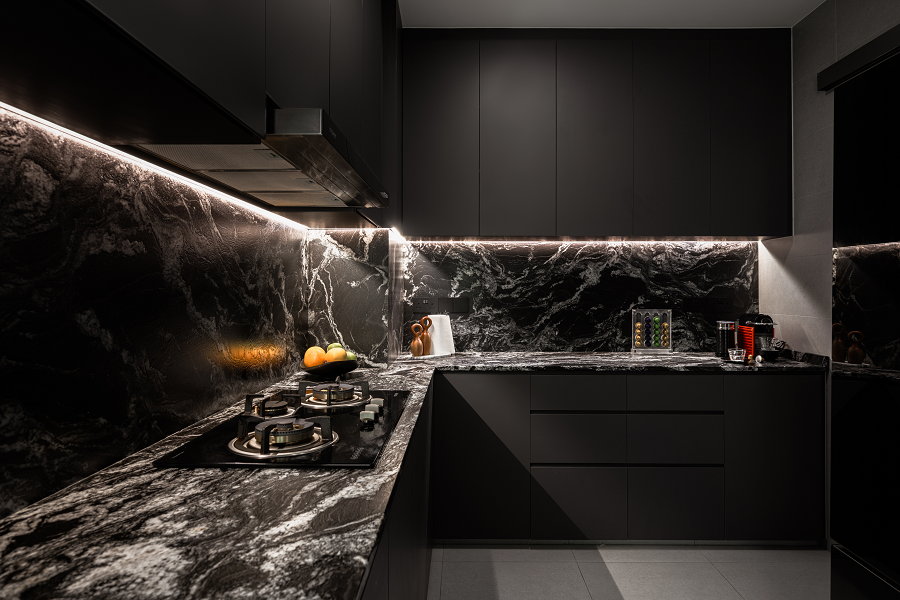
"Condo Design – BLACK MODERN LUXE @ KIM YAM RD- 3"

Kitchen Renovation Ideas Singapore Homeowners Love in 2026

The role and function of the kitchen have changed completely. It is no longer just a functional space in the home, designed and allocated for cooking and food preparation. The local design reports for 2026 confirm residents are utilising their kitchens as communal and multi-functional areas in their homes. They are casual dining areas and sometimes serve as the home’s main social areas, especially on weekends. As such, in terms of kitchen renovation Singapore, the approach taken in terms of materials and layout design has to reflect this. Regardless of whether the aim is to find a professional kitchen renovation contractor Singapore to completely transform a dimly lit kitchen, or to seek kitchen renovation ideas for a new BTO, the focus in kitchen design has moved away from loose and bulky furniture items in favour of seamless and highly efficient designs. For those ready to transform their kitchen space, this guide outlines the verifiable trends, costs, and layouts currently dominating the local design industry. The “Invisible” Kitchen and the Rise of Dry Pantries There is a major shift towards what architects define as the “invisible” kitchen. Gone are the days of a very clinical and sterile look and feel of kitchens of recent years. What is becoming more popular is a design where the cooking space integrates naturally and cohesively with the living room. Alongside this is the increasing popularity of dry pantries, specifically designed spaces for coffee machines and other light meal preparation, keeping the main cooking space strictly separate. Earthy Modern @ Eunos This Eunos renovation is an eye-catching illustration of a dry pantry concept. A separate space is designed for light meal preparation and appliances, completely separate from the main cooking area. The custom wood grain kitchen cabinet renovation is fully integrated with the surrounding architecture, and a modern fluted glass sliding partition allows for accessibility and separation of the wet kitchen area. Flush and built-in carpentry is one of the best design decisions when it comes to an hdb kitchen renovation. Not only does it prevent dust from accumulating on inaccessible cabinet tops, but it also eliminates unsightly wiring and gives a clean and uninterrupted look, making even the tightest space feel wider. Tackling Older Properties: The Resale Overhaul Acquisation an older flat comes with its own set of infrastructural constraints because flats are usually characterised by cramped spaces, insufficient natural light, and exposed pipes that disrupt the visual flow. Overcoming these limitations requires a strategic structural overhaul.  Stylish Comfort @ Pasir ris The photographed project shows this perfectly; by removing restrictive walls, the cooking and dining areas were physically integrated into a singular, expansive zone. A large central island now serves as the focal point, while integrated track and under-cabinet LED lighting reflect off custom wood laminates to mask the property’s actual age. When renovating your hdb kitchen, especially if the flat is older, it is important to factor in the unseen renovation costs, such as the cost of removing spalling concrete and replacing decades-old cast iron pipes with new PVC pipes, which is essential to a premium renovation kitchen. Navigating Budgets, Packages, and Realistic Costs Budgeting for a culinary space overhaul requires a firm grasp of 2026 market rates and strategic procurement. There is often debate about whether it is better to hire individual contractors or purchase a comprehensive kitchen renovation package. When multiple wet areas are involved and need renovation, it is advisable to request a toilet and kitchen renovation package from a kitchen renovation contractor. This is a strategic move as it will save on downtime and reduce the total kitchen renovation package cost. The current market rate for a kitchen renovation in 2026 is such that it is important to be realistic about the total costs involved in a renovation project. The basic HDB kitchen renovation package, which is often limited to just carpentry works, will be between $8,000 and $15,000. However, for a higher-end design and renovation, the total kitchen renovation cost singapore will be between $15,000 and $30,000. For total renovations of existing flats, especially older resale flats, it is not uncommon for total renovation costs to be well above $30,000. Material Deep Dive: Warm Tones, Sintered Stone, and Sustainability The selection of materials can significantly affect the longevity and ambience of the area. There is a clear shift away from cold and high-gloss finishes and towards wood tones and sustainability-driven materials, with elegant brass details. Confident Luxury @ Sophia This design is a perfect example of the benefits of using superior materials for construction. For instance, it avoids cold and clinical finishes by incorporating warm wood grain laminates for custom cabinetry. However, it is nicely contrasted with a pristine white stone countertop for the peninsula, which is a non-porous material highly resistant to humidity, impact, and organic stains. It’s important to note that Sintered stones are gaining popularity quickly on the island and are said to work very well against other materials like quartz and porcelain tiles. They resist stains and handle humidity levels with ease. For cabinetry, anti-fingerprint laminates and waterproofing of the inside of wet sink areas are essential kitchen renovation ideas Singapore. Investing in a highly durable and eco-friendly carcass is a necessary step towards ensuring that the space meets culinary demands. Ergonomics and Intelligent Storage: The Modern Workflow However, for a complete overhaul, spatial ergonomics remain of primary importance. The “Golden Triangle” of spatial workflow, which includes the sink, stove, and fridge, still remains a fundamental component of a highly efficient space, as seen in the design of the Sleek Nordic project located in Edgedale Plains, where the compact design of the fridge, central peninsula sink, and rear wall stove is of primary importance for efficiency of workflow. Keep it minimal @ Bedok South Contemporary efficiency also depends on concealed storage rather than using shelving units. The image is evidence that sufficient space does not necessarily involve bulky furniture. Rather, a floor-to-ceiling wall of bespoke cabinetry incorporates the refrigerator and pantry perfectly. Homeowners

Kitchen Renovation Ideas Singapore Homeowners Love in 2026 Read More »

"HDB Design– WHITE MiNIMALIST @ BUKIT BATOK - 17"

HDB Renovation in Singapore Explained: Timing, Guidelines, and What to Expect

White Minimalist @ Bukit Batok Renovating an HDB flat is rarely just about aesthetics. For most homeowners, it is the first time dealing with permits, noise restrictions, neighbour complaints, and timelines that don’t always go as planned. In our experience working with HDB homeowners across resale and BTO flats, most renovation stress comes not from design decisions, but from misunderstanding what can and cannot be done within HDB regulations. Small missteps—such as appointing the wrong contractor or misjudging renovation timing—often lead to delays, added costs, or stop-work orders. This guide breaks down how HDB renovation actually works in Singapore, what to expect at each stage, and how to plan your renovation realistically—based on how projects unfold on-site, not just on paper. HDB Renovation Explained Cozy Scandi @ Anchorvale From a homeowner’s perspective, an HDB renovation covers any work that changes the interior of your flat, whether that involves carpentry, electrical rewiring, plumbing changes, or bathroom and kitchen upgrades. What makes HDB renovation different from private property renovation is not how you want to change the design and structure, but the regulations that apply to HDB flats. HDB flats are governed by strict guidelines by the Housing and Development Board in Singapore. These guidelines affect how walls can be modified, where wet areas can be relocated, and when noisy work is allowed. These constraints often dictate how your design process will move on and how it will affect the outcomes.  It is important to understand these limitations early, to prevent redesigns midway through renovation and allow designers to work creatively within approved boundaries rather than fighting against them. HDB Renovation & Private Property Renovation: What is the Difference The table below highlights some of the common differences between HDB renovation in Singapore and private property renovation.  Feature HDB Renovation  Private Property Renovation Regulatory Body Housing & Development Board (HDB) and Town Council Management Corporation Strata Title (MCST); BCA involved for structural works Permit Needed HDB renovation permit is needed in almost renovation activities. MCST & BCA approval is required in this type of renovation. Renovation Duration Approximately 3 months for new HDB flats & roughly 1 month for HDB resale flats. No fixed timelines Working Hours  Approved hours and days. No renovation work is done on Sundays and Holidays. Hours is set by MCST, similar to HDB renovation but differs by property. HDB renovation contractor requirements  Must be HDB-licensed and approved to handle renovation projects. Must be MCST or BCA compliant. Step-by-Step HDB Renovation Process: All You Need to Know Although HDB renovation is often presented as a clean, step-by-step process, real projects rarely move in a straight line. Based on typical renovation timelines, homeowners should expect three overlapping phases rather than fixed steps. Pre-Renovation Phase: This step includes design discussions, budget alignment, and permit preparation. You can expect delays here, especially when layouts need to be revised to comply with HDB rules. On-Site Renovation Phase: Once work begins, the process of scheduling becomes important. Electrical, carpentry, and tiling works must be planned and carried out in the right sequence. Noise restrictions and manpower availability affect the progress more than the original timeline. Final Completion Phase: The final steps, such as touch-ups, inspections, and rectifications usually take longer than expected. Many homeowners underestimate this stage, which is why there is a buffer time kept before moving in, so these delays can be catered for. When you plan your renovation with these realities in mind, it can lead to smoother execution and fewer last-minute surprises. The Best Time for HDB Renovation in Singapore: Everything you Need to know The time-related regulations of when to carry out the renovation are probably the most important ones from a homeowner’s perspective. Understanding when is the best time for HDB renovation in Singapore is key to a seamless renovation project. Therefore, the best time for HDB renovations is during the week. That is morning hours (9am to 1pm) and afternoons (2pm to 6pm). Nonetheless, HDB renovation work is prohibited on Sundays and public holidays in Singapore to minimize distractions and noise caused by renovation activities. Moreover, neighbours must be notified in advance if you plan to carry out noisy works such as drilling and dismantling. HDB Renovation Guidelines in Singapore Every Homeowner Must Follow in 2026 The HDB renovation guidelines are intended to enhance public safety, safeguard the building’s structural integrity, and minimize inconvenience to other family members, especially during holidays and in densely populated areas. The following are some of the HDB renovation guidelines: #1. What You Can’t / Can do During Renovation  Slabs, beams, or load-bearing walls cannot be changed. These structures tend to support most of the building blocks, and hacking could pose safety risks. Even with an HDB renovation permit, you’re not allowed to alter these structures. The allowed time for the HDB resale renovation works is 9AM to 6PM, on weekdays and Saturdays. Renovation work is not allowed on Sundays or public holidays. Noisy renovation works, including drilling or hacking, are restricted to 9AM to 6PM, on weekdays and Saturdays, with a quiet hour observed between 1pm to 2pm. Moreover, neighbours must be notified about when you intend to do these noisy works. These are protected structures; homeowners are not allowed to modify or remove the bomb shelter door or hack the walls. These regulations are mandatory and apply to all HDB flat types. An HDB renovation permit is required for almost all renovation projects. Permit validity usually takes roughly 1 to 3 months, based on the nature of the flat. Nonetheless, delays in renovation work within the set timeline result in penalties.  Also, an HDB renovation contractor must be HDB-licensed or registered before executing any renovation work. #2. Renovation Process: What to Expect Whether you are renovating an HDB bathroom or reworking your kitchen, the process is not something you can rush or improvise. Certain steps are unavoidable, and skipping them often leads to delays or rejected applications. In practice, most HDB renovations need to be planned at least

HDB Renovation in Singapore Explained: Timing, Guidelines, and What to Expect Read More »

Tanglin Living room 3

Home Renovation in Singapore: A Practical Guide for First-Time Homeowners

If you are renovating a home in Singapore, you may start all excited, but soon the reality starts to set in. For many homeowners, especially first-timers, renovation is the first time dealing with permits, approval timelines, contractor coordination, and budget trade-offs all at once. All of this can become a bit overwhelming.  In practice, most renovation stress doesn’t come from choosing tiles or colours. It comes from underestimating how regulated home renovation work is in Singapore, particularly for HDB flats. Even oversighting small things, such as hiring the wrong contractor or misunderstanding approval requirements/guidelines, can easily lead to delays, extra costs, or having work stopped midway. This blog is written for homeowners who want a clearer, more realistic picture of how home renovation works in Singapore. We’ll walk through the rules, planning stages, and common decisions you’ll face. Our tips and descriptions will be based on how actual renovation projects unfold on-site to give you a clear, hands-on experience.  Home Renovation in Singapore: Everything You Need to Know In Singapore, home renovation typically involves improving an existing property so it better supports daily living. This can include reworking layouts, updating finishes, painting upgrades, or upgrading electrical and plumbing systems. The home renovation understanding scope can range from light cosmetic updates, such as painting and carpentry, to more advanced works like kitchen reconfiguration or bathroom upgrades. What many homeowners only realise midway through renovation is that understanding the regulations and planning accordingly is just as important as the visual design, if not more. The rules you need to follow depend heavily on your property type. For example, if you are renovating an HDB flat, the process is heavily regulated as compared to renovating a condo or landed home. There are number of rules and regulations that must be adhered to. Understanding these differences early helps you avoid redesigning layouts, reapplying for approvals, or adjusting expectations halfway through the project. HDB, Landed Property, and Condominium Renovation: What is the Difference  The table below highlights the key differences between landed property, HDB, and condominium renovation. Component HDB  Condo Landed Property Regulations From HDB body in Singapore MCST needed for renovation to take place. BCA approval. Most freedom compared to Condo & HDB. Scope of Work Majorly interior, renovating non-structural elements only. Also interior with more focus on house flexibility. Unlimited. Can include outdoor features. Cost Budget-friendly. Higher compared to HDB  Expensive. The owners bear it all alone. Working Hours 9AM-6PM on weekdays. No Sundays and holidays. MCST regulates the renovation hours. More flexible. Need to avoid noise. Care & Maintenance  No management fees incurred.  Include monthly maintenance fees Maintenance is upon the owner. Step-by-Step Guide for Home Renovation in Singapore Home renovation needs strategic planning, approvals from recognized bodies, and proper execution. When you understand every step of the home renovation process, it helps you mitigate cost overruns, delays, and stress. Below, we discuss the steps that comprise the HDB home renovation process in Singapore. Step 1: Pre-Renovation Plans Initially, homeowners spend time aligning budgets, finalising layouts, and preparing approval submissions. This stage often takes longer than expected, especially when initial designs need to be adjusted to meet regulatory requirements. Step 2: Home Renovation Work Begins As soon as the home renovation permit is issued, renovation works begin. Home renovation services such as electrical wiring and plumbing typically come first. Plastering and tiling follow, after which carpentry renovation services are installed to bring the space to life. Painting is done last, transforming the HDB home into a stunning and livable space. Step 3: Post Renovation  After home renovation services are completed, the contractors conduct a comprehensive site inspection to ensure everything is according to the approval plan and design. They review everything, from fitting and finishes to installation before handing over the home to the owners. Home Renovation Rules and Permits in Singapore Explained There are regulations and permits required for critical home renovations in Singapore. For HDB flats, most renovation approvals are handled directly through the Housing & Development Board (HDB), particularly for works involving flooring changes, wall modifications, or windows. Here are the key regulations and approvals for home renovation activities in Singapore you must know: #1. Authorities & Approvals  Housing Development Board (HDB): You can apply for an HDB permit through the Housing and Develoment Board, including for renovation works such as flooring changes, wall hacking, or window replacements. Building & Construction Authority (BCA): Specifically deals with private properties in Singapore. Apply for a BCA permit for renovation works, including structural changes that require a certified engineer.  Urban Redevelopment Authority (URA): The URA is involved if the Gross Floor Area needs to be changed. Shelter Bureau & Fire Safety: This body is needed for fire safety works and the installation of AC units for external HDB home renovations. #2. Home Renovation Works Requiring Permits  Most home renovation services in Singapore require permits before a renovation project can begin. Be aware of the following renovation projects in Singapore that must be done upon approval: #3. What to Do Before HDB Renovation Before embarking on a home renovation in Singapore, every homeowner must do the following: Top 5 Budget-Friendly Home Renovation Ideas & Tips for 2026 The rising labor and material costs for home renovation in Singapore have changed how homeowners think of interior design. Everyone wants a comfortable and stylish home at affordable rates. Good news! You can get the home of your dreams through strategic tips and ideas through HDB or condo renovations in 2026. We have compiled practical home renovation ideas, ideal for first-time homeowners looking to transform their homes this year. #1. Strategic Wall Painting Punggol drive Wall painting is one of the budget-friendly home renovation ideas that can transform your home without major demolition. Many homeowners underappreciate the power of strategic wall painting in home renovation. You can use grey, warm white, or beige tones to create a polished and lasting look, as has been done by our designers in the portfolio image above. Alternatively, you

Home Renovation in Singapore: A Practical Guide for First-Time Homeowners Read More »

Scroll to Top
Scroll to Top