Landed Interior Design Ideas in Singapore: The Complete Guide to Styles & Planning (2026)
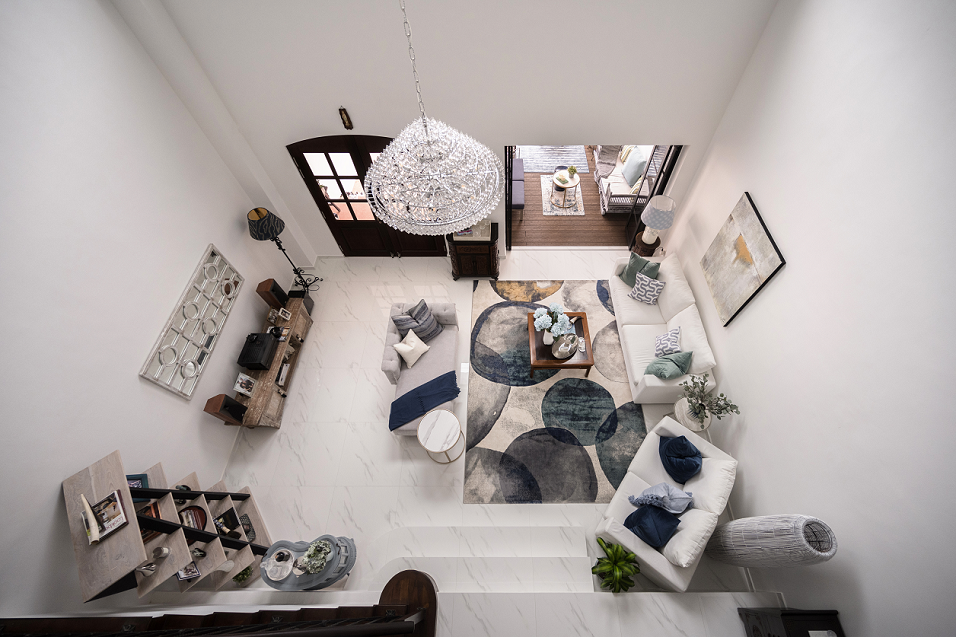
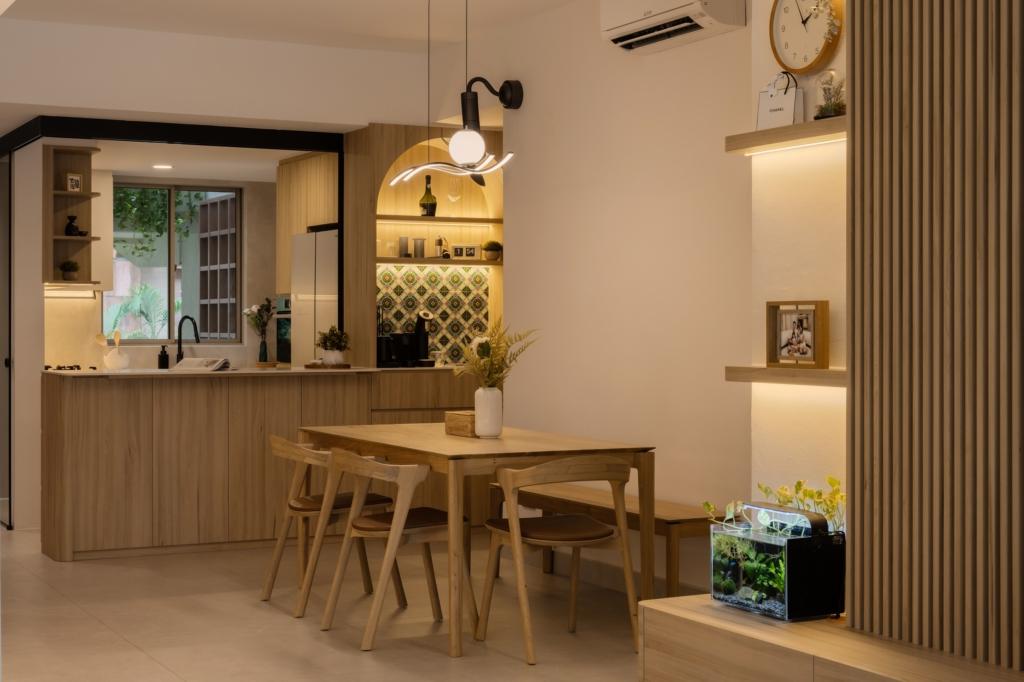
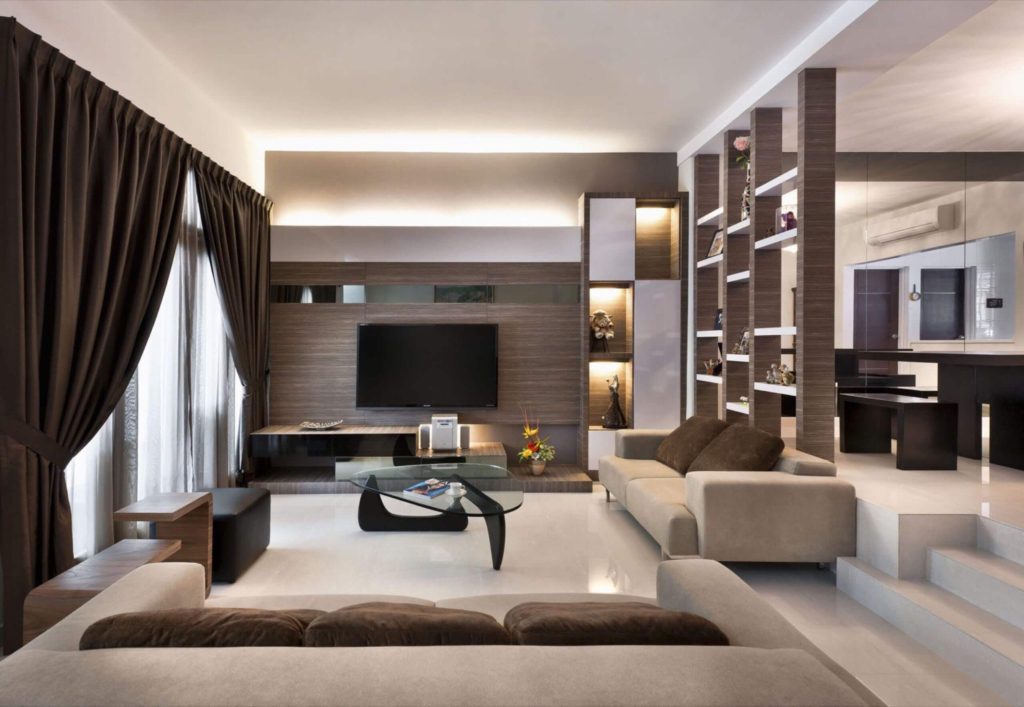
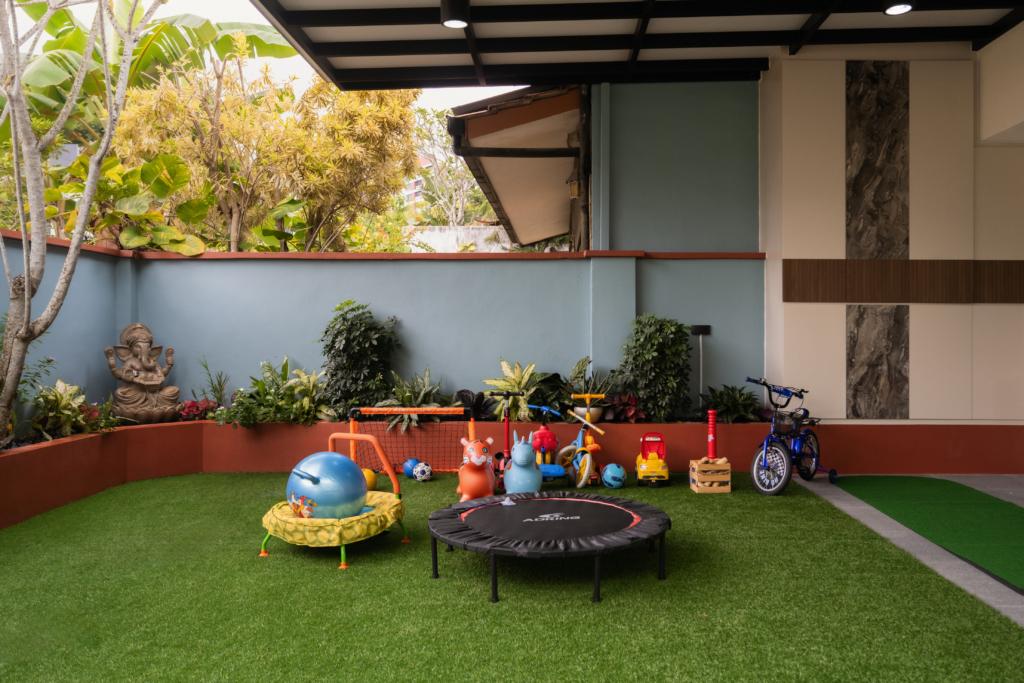
A landed home is the one canvas in Singapore where you actually get to explore a lot. When no MCST is breathing down your neck, no shared walls are dictating where your kitchen can go, no 90-square-metre ceiling on your imagination. Just your land, your levels, and a lot of room to make something genuinely yours. That freedom is the catch. Designing a landed property is different from doing up an HDB flat or a condo. You’re working across multiple storeys, managing the relationship between indoors and the garden, and depending on how ambitious you get, dealing with URA and BCA before a single wall comes down. Done well, a landed renovation produces the most personal home you’ll ever live in. Done without a plan, even a 4,000 sq ft house can feel cramped, dim and disconnected. This is the guide we wish every landed homeowner read before their first consultation. We’ll cover five interior design ideas for landed homes and demystify the planning side so you know what you’re signing up for. What is a Landed House in Singapore? Landed property in Singapore is a broad domain. The category covers terrace houses (the most common and most affordable to renovate), semi-detached homes, detached bungalows, Good Class Bungalows (GCBs) at the luxury end, and cluster or strata-landed homes that sit somewhere between a house and a condo. Each home comes with its own footprint, site constraints, and regulatory quirks, which is exactly why a one-size-fits-all template never works. The common thread: you own the external structure and the land it sits on. That’s what unlocks gardens, basements, attics, roof terraces, and carports and what makes the design problem so much richer than a single-floor apartment. Five Landed Design IDEAS We Love Space and structure are only half the equation. The other half is character. Here are five design ideas we return to again and again, each suited to the way landed living actually works. Think of them as starting points, not rigid boxes — the best homes borrow. Modern Minimalist Clean lines, an honest material palette, and a deliberate sense of calm. Minimalism reads beautifully across multiple storeys because it lets the architecture and the natural light do the talking. We keep joinery seamless, hide clutter behind full-height storage, and let a single feature wall or staircase become the quiet hero. Ideal for homeowners who want their house to feel like an exhale. Spatial Contrast @ Jln Seruling Resort-Style / Biophilic Tropical Landed homes are the only Singapore properties that can truly bring the outside in — so we do. Floor-to-ceiling glass, timber screens, a courtyard or water feature, and planting that blurs the line between living room and garden. Done right, you get that holiday-at-home feeling every day, with cross-ventilation that genuinely cools the house. Biophilic design remains one of the strongest trends for good reason. Resort Living @ Park Villas Rise Colonial / Heritage Elegance Singapore’s black-and-white and conservation houses deserve design that honours their bones. We pair classic mouldings, timber shutters and patterned tiles with thoroughly modern kitchens and bathrooms, so the home feels rooted in history without living in the past. Especially relevant for properties in older estates with conservation considerations. French Chic Style @ Ashwood Industrial Loft Exposed structure, raw concrete or microcement, black-framed glazing and statement lighting. Industrial works surprisingly well in tall, landed volumes; a high-ceilinged ground floor or attic becomes a gallery-like space. We soften the edges with warm timber and greenery so it never tips into cold or unfinished. Coastal Living @ Meng Suan Family-Forward Living with Playful Accents Most landed renovations are designed for adults and quietly hope the kids fit in around the edges. We think the better landed homes do the opposite – they let the children’s spaces have a personality of their own, while keeping the rest of the home cohesive. This direction works best on landed properties because there’s actually room to give it. A dedicated playroom on the second storey. A reading nook tucked under a staircase. A garden-side room that doubles as a homework space and weekend craft studio. We treat the rest of the house with the same restraint we’d apply to a minimalist or resort-style scheme — clean lines, considered materials, calm palettes — and then let one or two rooms break the pattern. Quaint Playroom @ Ash Grove Want to see these in real homes? Browse our landed portfolio to see how each direction translates into a finished space. Landed House Interior Design Approval and Planning Here’s where landed diverges hardest from condo and HDB work. The scope of your project decides which authorities you’ll deal with. Interior-only works, such as repainting, new finishes, built-in furniture, and fixtures, generally don’t need planning permission. If that’s your scope, you’re mostly clear. Structural changes, additions and façade alterations are a different story. These fall under two main bodies: the Urban Redevelopment Authority (URA), which governs planning parameters like setbacks, height and how much you can build, and the Building and Construction Authority (BCA), which oversees structural safety. A Qualified Person (QP), usually your architect or engineer, prepares and submits the plans. Depending on the works, you may also touch PUB (drainage), NParks and SCDF (fire safety). It’s worth knowing the line between two key terms. A&A (Additions & Alterations) keeps most of the existing structure. URA’s guidance treats structural changes exceeding 50% of the building, or adding a storey, as crossing into Reconstruction territory, which needs full planning clearance and compliance with envelope control guidelines. Envelope control is essentially an invisible 3D box around your plot, capped at two storeys (~12m) or three storeys (~15.5m), depending on your estate. You can design anything you like, as long as it fits inside that box. How Long does a Landed Interior Design take in Singapore? Landed renovation usually takes longer than you think, so plan for it. Here is a realistic guide for you: The construction phase is only part of it. Approvals add