Terrace House Design in Singapore: Layout Ideas, Costs & Renovation Guide (2026)
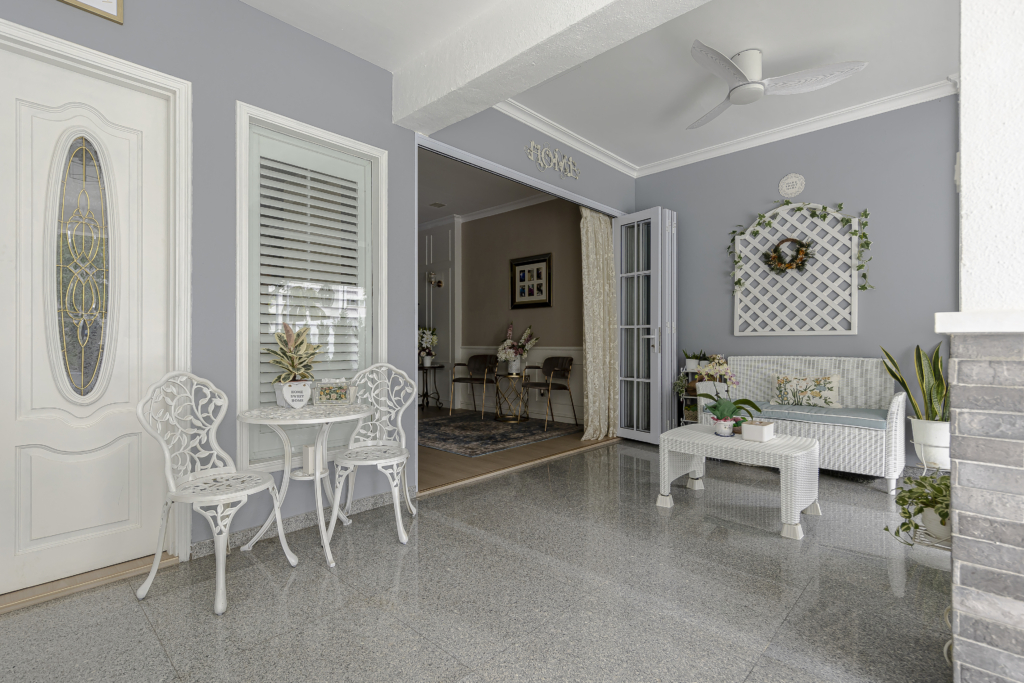
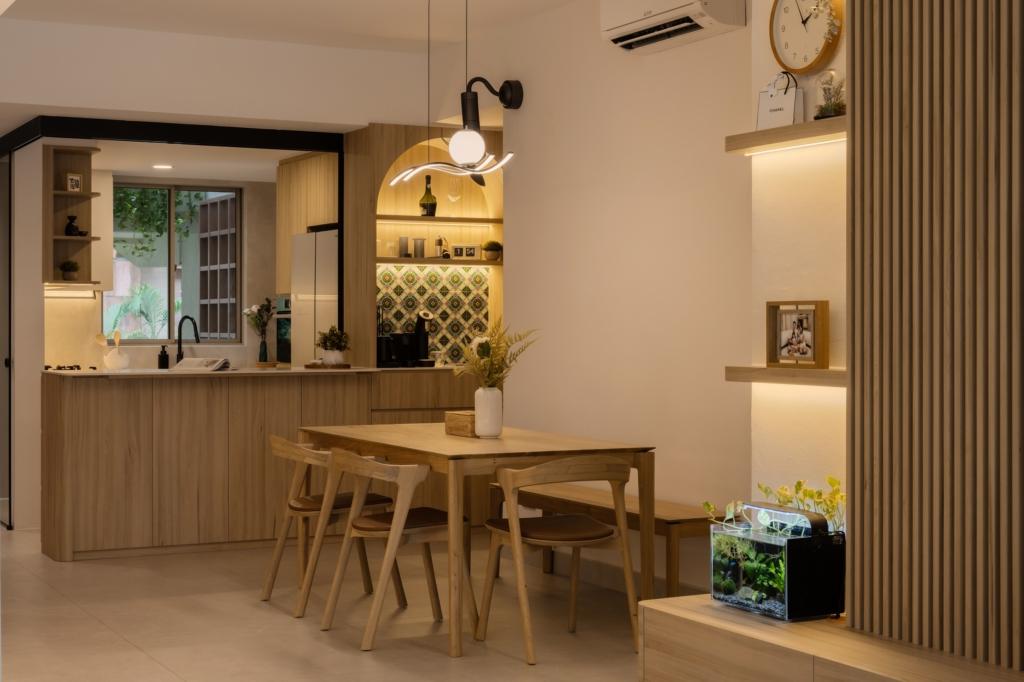
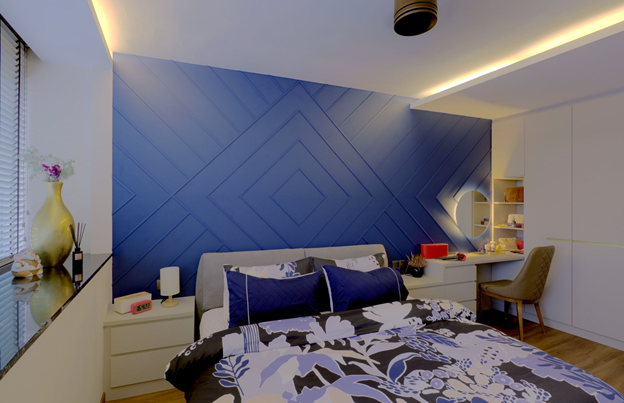
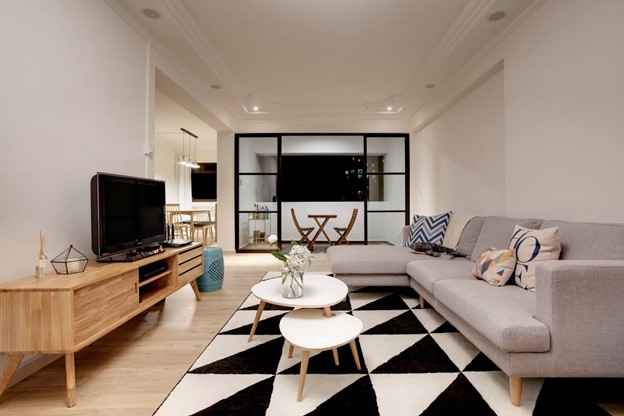
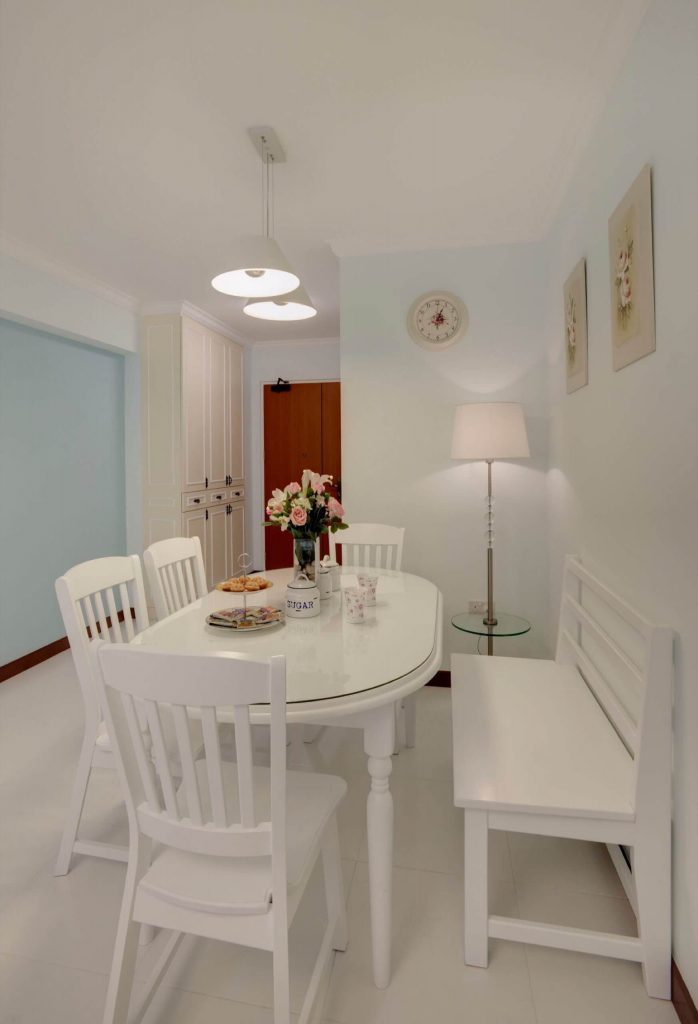
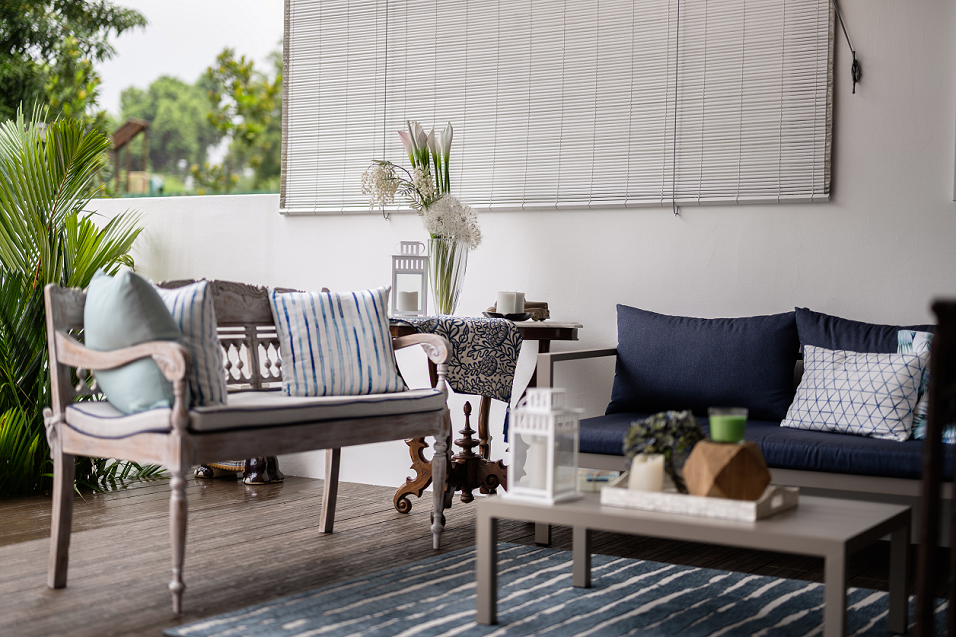
Owning a terrace house in Singapore is great for Singaporean families. You’ve got your own land title, multiple floors, and an outdoor space that you can personalise. The front terrace, the back garden, and sometimes a roof terrace. Most people who buy a terrace house in Singapore do so precisely for these spaces. Then they spend most of their renovation budget on the interior and treat the outdoor areas as an afterthought. That’s a mistake worth fixing. A well-designed terrace house in Singapore is one where the indoor and outdoor spaces talk to each other, where the roof terrace is genuinely usable year-round, where the front terrace makes an impression rather than collecting dust, and feels completely different to live in. This guide will help you get there. What Makes Terrace House Design Different in Singapore A terrace house is spread across two or three storeys, plus sometimes a basement or attic. This creates design challenges that don’t usually come with condos or bungalows. Light is one of the biggest ones. Natural light enters from the front and back only. The rest gets blocked entirely. This leaves the middle of the house completely dark. A few older homes have a compartmentalised layout where rooms are stacked behind each other, and each has one small window. Which, as a result, also affects the ventilation of the home. In Singapore’s humidity, proper ventilation and natural lighting are exceptionally important. Simple Terrace House Design Principles That Solve the Big Problems Open the Ground Floor Completely The most impactful single change in any terrace house renovation is opening the ground floor into one connected living, dining, and kitchen space. Ideally, you remove the walls between these zones and keep only what’s structural — and the house transforms. This allows natural light and air to move more freely throughout the space. For a simple terrace house design that works in Singapore’s climate, a dry kitchen opening to the dining area, with a wet kitchen tucked behind a glass partition or pocket door to contain cooking smells, handles both the open feel and the practical reality of local cooking. French Chic Style @ Ashwood Bring Light Down Through the Centre The middle of a terrace house is where light dies. The solutions that actually work are These aren’t expensive interventions relative to the total renovation budget, and they change the character of the whole house. Staircases in Singapore terrace house design deserve more attention than they usually get. A staircase positioned centrally rather than pushed to one side allows light from a roof or upper-level skylight to fall all the way down to the ground floor. It also improves circulation. Here is what a long chandelier looked like in Resort Living @ Park Villas Rise Design for Vertical Flow, Not Just Floor by Floor The best terrace house designs in Singapore think vertically, with public spaces on the ground floor, private bedrooms on the upper floors, with a clear logic to how you move between them. Double-volume ceilings in the living area connect the ground and first floors visually, making the house feel significantly more spacious than its plot footprint suggests. Front Terrace Design: The First Impression That’s Usually Wasted The front terrace of a Singapore terrace house is the first thing anyone sees, and it’s consistently the most neglected part of the renovation. Homeowners spend months agonising over kitchen tiles and wardrobe finishes, and then leave the front terrace as bare concrete with a gate. Front terrace house design doesn’t need to be complicated. A few things make an immediate difference: Roof Terrace Design: Turning the Top Floor Into a Real Room A roof terrace in Singapore has one fundamental challenge: it’s exposed. Full sun from mid-morning. Rain with no warning. Wind that increases significantly once you’re above the surrounding roof lines. Ignore these realities in the roof terrace design, and you end up with a space that looks good in photos, but nobody actually uses. The roof terrace designs that get used have three things in common. Terrace roof design also needs to account for the weight loading. Planters, furniture, and decking all add load to the structure. If you’re planning to renovate your roof any time soon, it is best that you consult an engineer. For families in areas like Marine Terrace or the landed estates of Serangoon Gardens, a roof terrace is the outdoor space that justifies the entire property purchase. Coastal Living @ Meng Suan Outdoor Terrace Design: Connecting Inside to Outside at Ground Level The back garden and ground-level outdoor space in a Singapore terrace house is where indoor-outdoor living actually happens daily. The outdoor terrace at ground level is where the family eats breakfast on weekends, where the kids play after school, and where you sit at night when the temperature drops. Outdoor terrace design at this level should prioritise two things: You can use large-format sliding or folding glass doors that fully retract. Composite decking handles humidity and UV without warping or requiring annual treatment the way real timber does. Porcelain tiles with a slip-resistant finish work on flat surfaces. Terrace House Interior Design Modern Tropical The style that makes the most sense for Singapore’s climate and a terrace house’s connection to outdoor space. Large openings, natural ventilation prioritised in the layout, greenery integrated at every level with internal courtyards, roof planters, and ground-level gardens. The design uses natural materials like timber, stone, and rattan. The palette is warm and earthy. It photographs beautifully, but more importantly, it works both aesthetically and environmentally. Coastal Living @ Meng Suan Modern Minimalist Works particularly well in terrace houses because the architectural constraints of a narrow plot benefit from restraint. The design uses This design style offers practicality rather than just decoration. In Singapore terrace house interior design, it pairs well with double-volume ceilings and full-height glazing. Contemporary with Industrial Touches Popular in older terrace houses where house structures had genuine character, exposed brickwork, timber roof structures, and original floor
Terrace House Design in Singapore: Layout Ideas, Costs & Renovation Guide (2026) Read More »