Residential

Space Factor 205 Compassvale Lane Living Room Design

Stylish 4-Room HDB BTO Interior Design Ideas for Singaporean Homes

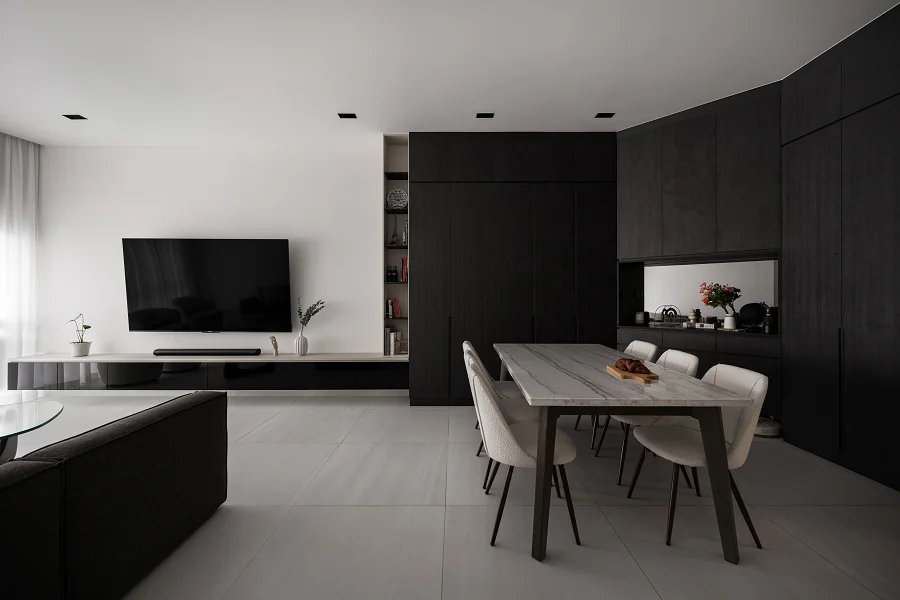
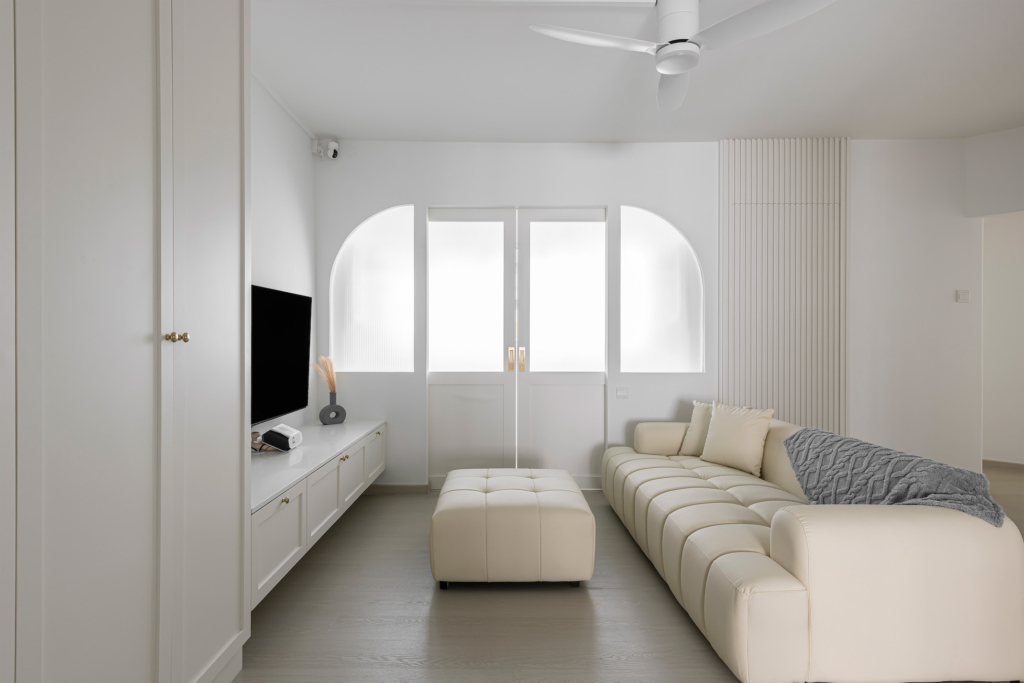
Remember that feeling when you collected your BTO keys? Standing in that empty flat, phone in hand, screenshotting Pinterest ideas while your partner debates whether the sofa should go against this wall or that wall? We’ve all been there. Here’s what nobody tells you about designing a 4-room BTO. It’s actually not about having the “right” taste or knowing secret designer tricks. It’s about understanding how you and your family live, then making smart choices that support that reality. For example, there’s a couple who swore they needed an open kitchen until their cooking habits were talked about and discovered that a closed or a semi-closed kitchen suits them more. The parents who initially wanted a playroom realized they’d rather have their kids play in the living room while they cook. The guy who insisted on a home gym ended up turning it into expensive clothes storage soon. Your 4 room bto interior design should work for your real life. So let’s walk through this together, room by room, and figure out what makes sense for you. Understanding What You’re Working With Typically, a 4-room BTO is around 90 square meters. That’s three bedrooms (the master being the largest), two bathrooms, a combined living-dining area, a kitchen, and a service yard that everyone forgets about, until laundry day. Now, 90 sqm might sound like a lot or a little, depending on what you’re comparing it to. Compared to a 3-room? You’ve got breathing room. Compared to your parents’ old 5-room in a mature estate? A bit cozier. But it’s enough space to create proper zones without feeling like you’re living in a cramped space. A 4-room BTO flat design layout is very flexible. You can have a proper dining area that seats more than four people. Your master bedroom can fit furniture beyond just a bed. Maybe you can even create a small work-from-home corner that doesn’t involve balancing your laptop on your knees or an ironing board. But before you start getting excited and plan to knock down walls, pump the brakes. Talk to your family. Really talk, a proper sit-down where you discuss how you live. Do you cook every day, or is dinner mostly Grab and hawker food? Working from home long-term, or heading back to the office? Because that difference determines whether you need a dedicated workspace or just a corner where you can occasionally take Zoom calls. Got kids or planning for them soon? Let me tell you, kids don’t care about your careful, minimalist aesthetic. They will spread toys everywhere. Plan accordingly. Living Room: Where Real Life Happens Your living room is where life happens. Weekend movie marathons. New Year gatherings where somehow twenty people show up even though you invited twelve. That spot where you collapse after work and scroll your phone for way too long. Most 4-room BTOs give you this nice open-concept vibe where living and dining flow together. Which is pretty great. Makes your place feel way bigger than it is. Natural light flows through. You can talk to your family instead of yelling from different rooms. Furniture-wise, keep lines clean and don’t fill every single corner, unless you absolutely adore it. Every piece of furniture needs to earn its place, especially in Singapore, where storage is always tight. Back to black @ bidadari Modular furniture is clutch because life changes, right? That L-shaped sofa works perfectly now, but what if you move someday, or rearrange, or your taste change? Modular pieces adapt. Additionally, many models feature hidden storage, providing extra square footage at no extra cost. Here’s something that works: mirrors. Sounds basic, but a well-placed mirror opposite a window can literally make your living room feel twice the size. The same applies to glass furniture—glass coffee tables, glass side tables—they provide function without feeling heavy or occupying visual space. Layer your lighting. That single ceiling light your BTO comes with? Absolutely not enough. You need ambient lighting (overhead), task lighting (reading lamps), and accent lighting (maybe some LED strips, picture lights, whatever). Add dimmers so you can go from “bright Saturday morning cleaning energy” to “Weekend vibes” with one touch. Finding Your Style (Without Overthinking It) The beauty of having a proper 4-room BTO is you’ve got space to commit to a look without it feeling overwhelming. Modern minimalism This design style is huge in Singapore right now. Neutral colors—grays, whites, beiges—with some wood accents for warmth. Clean lines, sleek finishes, everything intentional. It’s clean and calm, not cold. Everything has its place, and your home feels put-together. Soft Contrast @ Compassvale Scandinavian vibes.  If you want warmth, consider Scandinavian style. Light wood furniture, white walls, comfortable textiles throughout. It’s cozy, family-friendly, and creates that inviting feel people associate with Nordic homes. Cozy Scandi @ Anchorvale Industrial design This style has been trending, and when done right, it’s pretty cool. Matte black fixtures, exposed concrete or brick-look finishes, metal-framed furniture. But you’ve gotta balance it with softer elements—textiles, warm lighting, maybe some plants—otherwise it feels like you’re living in a warehouse. Which is fine if that’s your thing. Vintage Vibe @ Guan Chua The Practical Stuff That Matters Built-in TV console? Not just about the TV. It’s prime storage real estate. Design it floor-to-ceiling with a mix of open shelving (for your nice-looking stuff) and closed cabinets (for all the random junk). Also, cable management. Nobody wants to see that tangled mess of wires and chargers. Use furniture and lighting to create zones without actual walls. Maybe softer, warmer lighting in your living area for chilling, brighter light over the dining table for meals. Position your sofa with its back toward the dining area to create a natural division without blocking sightlines or feeling cramped. White Minimalist @ Bukit Batok Kitchen: Let’s Talk About What Works The Layout Question Everyone Overthinks Kitchens in 4-room BTOs usually come in three flavors: L-shaped, galley, or open-concept. Each has its pros and cons, and honestly, there’s no universally “best” option.

Stylish 4-Room HDB BTO Interior Design Ideas for Singaporean Homes Read More »

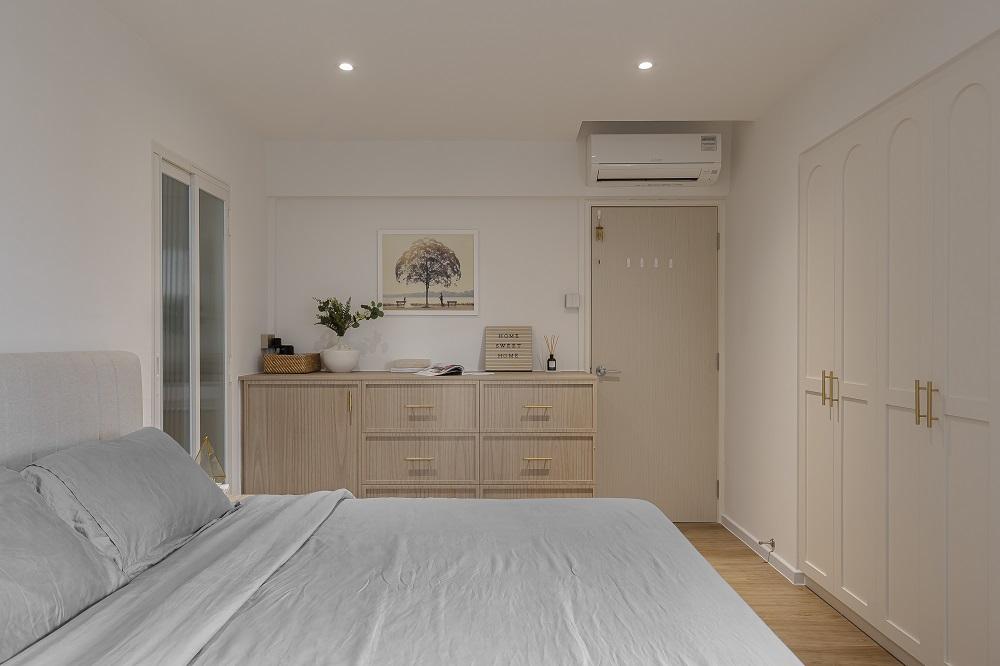
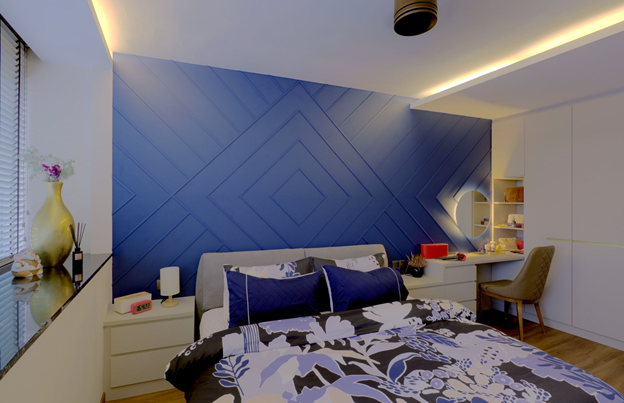
Space Factor 205 Compassvale Lane Bedroom Design

Practical 3-Room BTO Design Inspirations In Singapore for Every Room

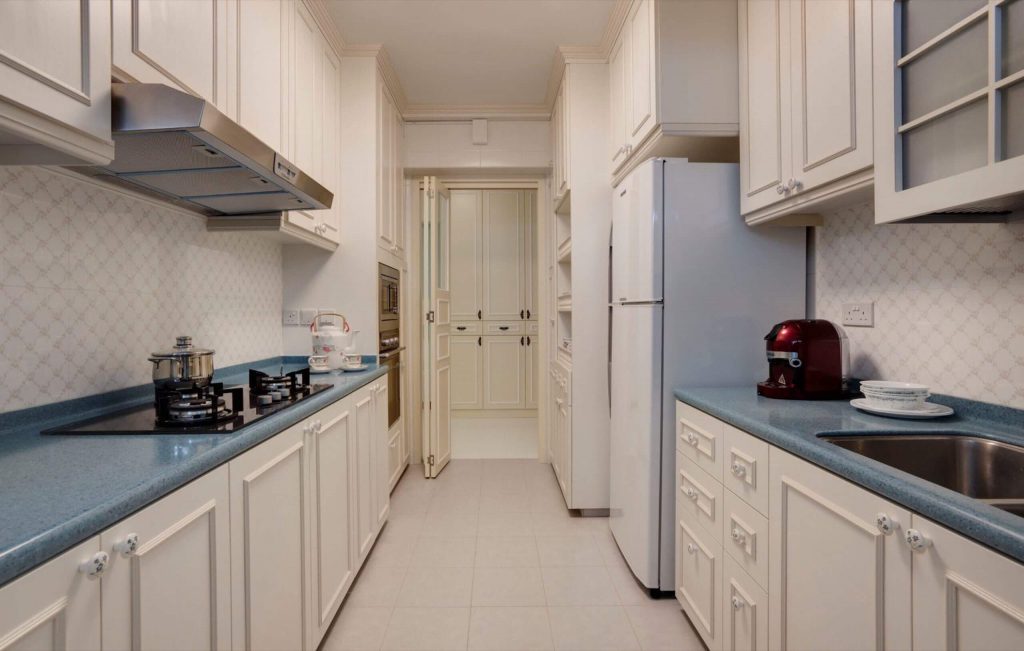
Walking into your new 3-room BTO is exciting! And then, you look around at the empty space, and suddenly realize you need to figure out where everything goes. The living room, the kitchen, and the bedrooms all need planning, and you’re working with about 60-65 square meters. It’s not huge, but it’s enough. The question is: how do you make it work, without feeling cramped? How do you fit storage and furniture while still having enough room to live? This guide walks through practical 3 room bto design ideas for your bedroom, kitchen, and living room, focusing on solutions of everyday life. Understanding Your 3-Room BTO Layout Most 3-room BTOs follow a similar layout: two bedrooms, one bathroom, a combined living and dining area, and a kitchen. The space measures roughly 60-65 square meters total. That’s enough for a small family or a couple, but every decision about furniture and storage matters. Before starting any renovation, take the time to understand your floor plan. Notice where the windows are, which walls you can work with, and where the plumbing runs. These details affect what you can change and what needs to stay. The main challenge with 3 room bto interior design is balancing your needs with the space available. For instance, you need storage, but built-ins take up room. You want an open feel, but you also need defined areas for different activities. Most 3-room flats have an open-concept living area, which helps with spaciousness but requires smart zoning. Common issues are tight corners that are hard to furnish, limited storage options, and the need to make every piece of furniture count. Don’t worry! This is where smart planning comes in, before renovation, which saves money and frustration later. Bedroom Design Ideas for 3-Room BTOs Master Bedroom Design Strategies Your master bedroom is where you’ll spend about a third of your time at home, so getting it right matters. In a 3-room BTO, the master bedroom isn’t huge, but there’s enough space if you’re strategic. Here are some ideas that will help you with that.  Soft Contrast @ Compassvale Furniture That Saves Space A platform bed with built-in storage drawers underneath, saves the need for a separate dresser. You gain storage without losing floor space. Wall-mounted bedside tables or floating shelves provide surface area for your phone, lamp, or book without taking up room on the floor. For wardrobes, go floor-to-ceiling if possible. The extra height will add significant storage capacity. Sliding doors work better than hinged ones in smaller bedrooms because they don’t need clearance space to open. Inside the wardrobe, use organizers,adjustable shelves, drawer dividers and hanging racks for  maximizing every inch. Colors That Open Up Space Light colors make small bedrooms feel larger. Soft whites, warm beiges, and gentle grays reflect light and create an open atmosphere. If you prefer pastels, they work similarly, keeping the space feeling airy. A monochromatic color scheme (different shades of the same color) adds depth without visual clutter. If you want a bolder color, use it on one accent wall rather than the entire room. This adds personality without overwhelming the space. Pastel Hush @ Hougang Lighting That Works Makes quite a difference. Layer your bedroom lighting with three types: ambient (overhead), task (reading lamps), and accent (decorative). This gives you flexibility for different times of day and activities. Wall sconces mounted beside the bed save nightstand space while providing directed reading light. They’re functional and keep surfaces clear for other items. Adding dimmer switches will let you adjust brightness from morning routines to evening routines. Common/Second Bedroom Design The second bedroom needs flexibility. It might be a guest room now, a nursery later, or a home office, depending on your needs. Multi-Purpose Solutions A Murphy bed or quality sofa bed allows the room to function differently at different times. During the day, it’s a workspace or sitting area. At night, it easily transforms into a cozy sleeping space whenever needed. Modular furniture systems adapt as requirements change. A desk that works for hobbies today can become a homework station tomorrow. Shelves holding books now can store toys or work supplies later. Bright and Airy @ Clementi Storage for Smaller Bedrooms Vertical storage is essential. Install floating shelves or wall-mounted units that go upward instead of outward to keep floor space open while providing storage. Use the space under the bed for storing seasonal clothes, extra bedding, or that items you don’t reach for every day. Rolling storage bins or vacuum-sealed bags help keep everything organised and easy to access. Built-in designs, such as wall-to-wall shelving with a built-in desk, make the most of tricky corners and awkward spaces that regular furniture usually dont. Styling Approaches For a minimalist look, keep only essential furniture and maintain clear surfaces. Use closed storage to hide items and everything looks neat. For a cozier feel, add textiles, rugs, cushions, throws and warmer lighting. Personal touches like photos or artwork make the space inviting without cluttering it. Kitchen Design Ideas for 3-Room BTOs Layout Optimization Kitchen layouts in 3-room BTOs typically come in three configurations: galley (two parallel counters), L-shaped (counters on two adjacent walls), or open-concept (integrated with living area). Galley Kitchens Two parallel counters create an efficient workspace where everything stays within reach. Make sure there’s at least 120cm between counters so two people can move comfortably without bumping into each other. White Classic @ Punggol Central L-Shaped Kitchens These use corner space effectively and usually provide more counter area. The corner itself can be tricky, a lazy Susan (a rotating tray, usually circular to make it easier to access items on a table, countertop, or inside a cabinet) ora  pull-out system helps access items stored there. Japanese Modernism @ Cantonment Rd Open vs. Closed Kitchens Open kitchens create a spacious feel, and you can interact with family while cooking. However, they work best if you do lighter cooking. Heavy Asian cooking with lots of frying or strong spices means spreading rich

Practical 3-Room BTO Design Inspirations In Singapore for Every Room Read More »

WAREHOUSE CHIC @ PUNGGOL DRIVE Space Factor HDB BTO Interior Design

Industrial Interior Design for A Modern Lifestyle In Singapore

Singapore is home to a number of different types of house types with the most popular type being HDB apartments. HDB apartments come in a variety of sizes ranging from 2-bedroom, 3-bedroom, and 5-bedroom HDB’s. Whatever kind of HDB or landed property you have, you may wish to renovate it and change the interior design to make it amazingly unique, modern, and beautiful. If you ever thought of designing your home in a unique and beautiful way? If yes, then industrial interior design might be the one you are looking for. When you are about to embark on the journey of redesigning your home, it is always a good idea to explore the different interior design styles such as warehouse interior design and then choose the one that you like the most. Here, we will go into the details of the industrial interior design theme, where it originated from, what its salient characteristics are, and some inspirational ideas for implementing this theme into your interior. Looking for more interior design styles? Find themes such as colonial-style interior design and balinese design style on our blog pages. You can also find HDB BTO interior design ideas, 3-Room HDB design ideas, 4-Room HDB interior design inspirations, 5-Room HDB design inspirations, condominium interior design theme ideas, and landed property interior design theme inspirations. History of Industrial Design Industrial interior design is all about exposed pipes and ducts, brickwork, concrete floors, and other raw and unfinished elements that although may seem like too rugged an interior design for a home, but in reality can be beautiful as well as functional. Industrial interior design originated during the 18th and 19th centuries during the industrial revolution. In the first industrial revolution, factories were set up constructed from bricks with lofted floors and large windows with grills. These features inspired homeowners to incorporate some of these characteristics into their interior design styles. During the next industrial revolution, more sophisticated industrial structures and factories came into existence. These structures were manufactured with stronger building materials like steel and concrete since they housed large operations under one roof. These factories also used the characteristic industrial lighting for the first time that comprised the Edison light bulb. To date, these Edison light bulbs are an important feature of the industrial design style. After the industrial revolution came the mid-century era which showcased modern mid-century and classical interiors. However, the 21st century saw people embrace simplicity and minimalism as they wanted some change from the luxurious and modern interiors. This is where the industrial interior design for homes started gaining popularity. Characteristics of the Industrial Design Theme Just like every other interior design style, the industrial design interior also features certain characteristics that give it its unique identity and character. Exposed structures One of the most prominent features of this design style is exposed structural elements like pipes, ducts, and other metallic structures. These exposed architectural elements make the interior reminiscent of the industrial era so that anyone entering the premises should immediately feel as if they have entered an industrial building or factory. Just as important a feature is brickwork in the form of brick walls. Walls could be fully covered in bricks or the bricks may be showcased in abstract or geometric patterns to give a contemporary touch to the interior. Main colors The main colors used in an industrial interior are neutrals such as grays, browns, whites, and blacks. Depending on whether you want a strictly industrial look or a more industrial-chic look, your choice of accent colors could be changed. Choose colors like brick red, rust and orange for the former look whereas for the latter look, you can add a few pops of vivid colors. However, these accents are used sparingly so as to primarily keep the color palette neutral and monochromatic. Lines and contours There is some form of minimalism in the industrial design style which is also depicted in the form of clean lines and form throughout the space. Straight lines and smooth, curvy contours are all evident in the space. Furniture and accessories The furnishings and accessories used in an industrial home are also inspired by the main construction materials: metal and wood. Thus, you would see lots of vintage wood and wrought iron furniture in the interior like kitchen bar stools and comfortable sofas. Modern furniture from the mid-century modern era, as well as artistic accessories like vintage photographs, wall paintings, and other forms of abstract art, can be used to enhance the aesthetics of this interior. Concrete floors Another important feature of the industrial interior design style is concrete floors and high ceilings. For a more contemporary look, you can choose polished concrete floors, otherwise stick to the traditional concrete floors for a more raw and rugged appearance. Natural light The industrial landscape is illuminated with lots of natural light that enters the premises through the large windows with metal panes and grills. Other forms of lighting can include track lights, rustic chandeliers, and most important of all, Edison bulbs. Natural textiles Lastly, an industrial interior design is largely dominated by natural textiles and fabrics like jute, weathered leather, wool, cotton, and linen. All these natural textures bring a degree of warmth and coziness to the interior. Key Considerations Before Choosing an Industrial Interior Design Ensure that you conduct a careful assessment before you decide to adopt a modern industrial interior design approach for your house. It must harmonize with your daily routines, living area dimensions, and interior design principles.  Space and Layout For optimal design, industrial design spaces need large open areas accompanied by tall ceilings and extensive natural illumination. Small and compact residential units require careful assessment of raw finishings and structural elements before making an industrial interior design choice in Singapore because these features could potentially create an enclosed or messy effect. The strategic implementation of glass partitions and proper lighting helps achieve balance in the room. Maintenance and Upkeep Industrial-chic interior designs benefit from raw aesthetics such as exposed pipes, brick walls, and concrete surfaces,

Industrial Interior Design for A Modern Lifestyle In Singapore Read More »

"HDB – WHITE CLASSIC @ PUNGGOL CENTRAL - 2"

Unique Interior Design Tips for Your 5-Room HDB In Singapore

From experience one gets to discover that working on a 5-room HDB flat is virtually expandable in as much as designing a home is concerned. Whether you are attracted to the pencil thin edge and glossy finish of minimalism or the cosy feel and friendly vibe of Scandinavia, all of it will turn your house into a home for you and your family. Renovating a 5-room HDB flat is an exciting venture—it’s a chance to design a home that showcases your style, fits your lifestyle, and intelligently utilises the space. A thoughtful design boosts aesthetics and ensures a welcoming sanctuary for your loved ones. A  professional interior designer pursues a suitable theme, setting the mood for the living space. You can experiment with the cosy warmth of Scandinavian design, the crisp lines of minimalism, or the sharpness of industrial décor. This article discusses some interior design themes, optimising layouts, and choosing quality finishes and materials for the perfect 5-room HDB in Singapore. Our design philosophy can help you create a unique, stylish, and functional living space that reflects your tastes. Every detail counts, including the living space’s cosiness and the kitchen’s functionality. As you enjoy this design ride, assess each choice to create a beautiful and perfect home for yourself and your family. Pick the Suitable Design Theme  The design theme is the first decision anyone will make when planning the home interior. Such styles as minimalism, Scandinavian, industrial with rough surfaces and textures seem to fit perfectly into the idea of modern interior. When you incorporate these themes into your design along with your ornamentation, you receive an environment that is pleasant and personal. The ideal design theme for a 5-room HDB apartment can affect its function and ambience. Consider trendy design themes such as minimalist, Scandinavian, and industrial, and add in your unique touch to it. The minimalist interior design theme values order and clarity, removing unnecessary elements to highlight what is crucial. With its sleek, contemporary lines and monochromatic palette, the ‘Living Room Design’ catches the eye. White furnishings and walls attune the space to a clean and uncluttered aesthetic while statement pieces and art add personality without cluttering the space. Hidden storage options enhance the minimalist design, creating a tidy living space, making this style suitable for those who value both elegance and simplicity. Sensuous Simplicity @ Punggol Drive The Scandinavian design values functionality and simplicity and is an efficient choice for those who crave serenity and beauty. The ‘Cozy Scandi @ Anchorvale’ interior is welcoming and a good segue for this design. It has neutral, soft hues and light wood tones, plenty of natural light, and minimalist furniture, that create a sense of cosiness and tranquillity in the space. Warm houseplants and textiles add a relaxing ambience, making them ideal for those wanting a practical yet tranquil home. Cozy Scandi @ Anchorvale The industrial design theme mixes raw elements with modern styles, offering an edgy but stylish look. The Warehouse Chic @ Punggol Drive with a chic, rugged vibe is the perfect example for this design theme. It has metal fixtures, exposed brick walls, and repurposed wood accents. Metal light fixtures and concrete floors contribute to a distinctive industrial appearance. This design theme is ideal for individuals who enjoy an urban, bold visual and like to incorporate grit into their décor. Read more on these design themes and how they can be applied to your 5-room HDB home to be a haven. We will also go through some amazing 5-room HDB living room design ideas. Contact us for your individual design consultation sessions. Enhance 5-Room HDB Layouts for Optimal Efficiency  Enhancing the layout of a 5-room HDB interior design in Singapore and ensuring that every space serves a specific function, it is essential to uphold a cohesive design flow. The ‘Modern Oasis @ Pending Rd’’ exemplifies how meticulous preparation can improve functionality and aesthetics. The living room sets the tone for the entire home, and with the Modern Oasis, we intended it to be an open, welcoming space. A neutral colour scheme and colourful decor create a cosy, inviting space as the layout optimises seating and avoids clutter. It allows for effortless movement and an open feel. Similarly, a well-placed shelf and elegant TV console provides storage options and keeps the space clutter-free, making it ideal for leisure and entertainment. The bedroom design emphasises relaxation and comfort, resulting in a tranquil retreat. The layout values clutter-free areas and built-in closets, providing storage without crowding the space. Moreover, neutral, soft tones on the bedding and walls foster relaxation. Meanwhile, oversized windows let in natural light, enhancing the room’s brightness. Minimalist décor and bright lighting combine to achieve the desired aesthetic, creating a perfect retreat for rejuvenation and rest.  The bathroom style in the Modern Oasis mixes elegance and functionality. A chic vanity with ample storage keeps essentials tidy, while translucent tiles add to the space’s vibe. What’s more? A glass-enclosed shower achieves luxury, and well-placed mirrors create depth. This layout maintains the stylish and practical aspects of the bathroom, resulting in a spa-like ambience in your cosy home.  The Modern Oasis @ Pending Rd Invest in Premium Materials & Finishes The key to converting your Singapore 5-room HDB interior design into a long-lasting and luxurious residence is carefully choosing high-quality finishes and materials. The Collectors’ Edition @ Tampines illustrates the potential of these elements to elevate the aesthetic while ensuring durability and functionality.  The Collectors’ Edition interiors are handmade, highlighting a focus on detail with elegant and precise work. The finest materials, such as finishes that are high-gloss and laminated wood, create a modern and sleek appearance. These durable materials are easy to maintain, suitable for busy lifestyles. Soft-close processes and merged lighting add luxury, ensuring a smooth, discreet user experience. Such insightful design elements highlight the value of balancing aesthetics and functionality.  We identified the wardrobe’s design and matched the décor with exterior finishes. The project includes various finishes, from glossy to matte, each showcasing

Unique Interior Design Tips for Your 5-Room HDB In Singapore Read More »

"HDB Design– COZY SCANDI @ ANCHORVALE - 2"

Modern Design Ideas for Your 4-Room HDB Flat In Singapore

Thinking of renovating your  4-room HDB flat into the modern comfort haven that fit deserves to be? Choosing the right designs makes it  possible to achieve the highest density of living space, creating stylish comfort, and having a home that would reflect your mode of living. A 4-room HDB flat in Singapore is one of the most common types of HDB. Homeowners’ first and foremost requirement in such a flat is to design it with the best possible interior design theme that is not only elegant but functional as well. Every square foot counts in your home, making thoughtful design decisions critical for maximising functionality and aesthetics. Here, we explore dynamic 4-room HDB interior design ideas that can transform your home. For instance, a kitchen that mixes rustic charm with modern efficiency can make meal preparation more enjoyable. Open layouts that enhance flow and access can make your home feel more spacious. Creative lighting can change the mood and make your home more inviting. Also, versatile bedroom designs can provide comfort and function, making your home a more relaxing place.Our interior design approach for a 4-room HDB home focuses heavily on minimalist spaces, serene bathrooms and functional utility areas that help create a structured, peaceful environment. Use these ideas to design your home to make it beautiful and efficient, capturing the essence of modern HDB living with unique HDB 4-room floor plan options and design features. Designing Innovative Kitchens Today people say that one can cook in art and that a kitchen can be beautiful and functional. Could you picture a large open space where one can cook, think through the evening’s conversations with friends, or keep all of the family’s needs in sight and reach, something for a contemporary family? A smart management of space, making pull out pantry racks and other custom organizers. You can make the space stays organized and aesthetic. A kitchen is an important area of the house that should not be ignored during interior design. The modern Farmhouse @ Bishan, designed by us, features a kitchen that blends rustic charm with modern functionality. This inviting and cosy living space uses organic materials and modern amenities. At the core of the kitchen, you’ll find a substantial island that serves as a functional workspace and a fashionable gathering area. The island’s strong quartz countertop makes meal prep, snacks, and hanging out great. It also features shiplap panelling for farmhouse charm with stylish matte black hardware accents.  Cabinets in a muted, soft tone add to the kitchen’s warm atmosphere. Open shelving over the countertops is a perfect display for curated décor and dishware, adding a personal touch. Subway tiles for a backsplash add an antique element, while stainless steel items provide a contemporary contrast. Moreover, creative storage options integrate seamlessly to keep the kitchen uncluttered. Deep drawers, pull-out pantry racks, and custom organisers optimise the space, making it functional and beautiful.  Read more on how to maximize style and bring modern touch in your kitchen design in this article. The modern farmhouse style seamlessly blends old and new, combining traditional elements with modern conveniences. This balance of function and beauty is the essence of the kitchen, ensuring your comfort and peace of mind. Want to take up the challenge of remodeling your kitchen? Give us a call and find out how we can combine the beautiful rawness of the outdoors with functionality for your area.Learn more on innovative kitchen designs here. Creating Seamless Open-Concept Living & Dining Space When elegantly designed, a 4-room HDB flat can appear as if it is a lot larger space than it actually is. Think about the transition from your family room to dining space that has a beautiful view from the large windows which allows a lot of light. This make the place perfect to host guests or have cozy dinners at home. Consider the White Minimalist @ Bukit Batok designed us which has an open-concept dining and living area. It exudes an airy elegance and captures modern sophistication. The blend of these spaces creates an inviting, cohesive setting, makign it perfect for unwinding and entertaining. A neutral-toned, plush sofa anchors the living area, and a sleek, white coffee table completes the look. The design elements, like the storage and minimalist shelves, are stylish and highlight functionality. Large windows let in natural light, which enhances the clean white walls and creates a sense of space. Moving into the dining room is the focal point of a basic yet trendy dining set. The slight texture of the wall-mounted art pieces enhances the crisp lines of the chairs and table. A statement pendant light hangs over the dining table. It gives off a warm glow that adds depth to the room. The open-plan design maximises space and encourages a flow between the dining and living areas. This considerate design approach elevates the entire aesthetic, making the space more cohesive and welcoming. This open-concept design is perfect for an intimate evening and a dinner party in your 4-room HDB. It balances style and comfort, capturing a spirit of minimalist elegance. It also allows for a better flow of natural light, making the space feel more airy and spacious. Explore more about the 4-room HDB living room design here. Using Creative Lighting in Style  The modern British Colonial @ Clementi exemplifies the transformative power of illumination in design. In this elegant four-room BTO design, lighting is more than practical. It is a crucial design element that adds to the overall beauty and ambience. The main living space features a stunning mix of natural and artificial light. The enormous windows allow plenty of natural light, emphasising the space’s timeless details and large textures. Late at night, statement chandeliers with intricate details cast a cosy glow, creating an inviting atmosphere. We placed recessed ceiling lights to provide even light as they keep the room bright and comfortable. Vintage-inspired pendant lights dangle over the dining table, focusing on the meal and serving as a charming, decorative centrepiece. The

Modern Design Ideas for Your 4-Room HDB Flat In Singapore Read More »

"HDB Design– BRIGHT AND AIRY @ CLEMENTI - 1"

Beginner’s Guide to Contemporary Interior Design In Singapore

The most vital aspect of how people will conceive your interior is determined by the structure of the house or flat, as well as the layout of the interior space. This is your main canvas where you decide what kind of atmosphere and style your space will reflect your character and needs.  There are countless ways how you can approach designing your home’s interior. Considering many styles that were popular and chic in their respective eras in the history of design, you can always choose to follow those retro styles. Most people don’t want to live in the past, so from the standpoint of the present-day, modern contemporary interior design is always the best approach because it grows with you and your way of living and using the space. This does not mean that you should ignore elements of the past styles. On the contrary, many elements from the past are likely to be used, but in a different context and setting. This repurposing use of older furniture in a new setting is making their aesthetics feel renewed and timeless. All this fits the philosophy of contemporary interior design and design in every industry in general that requires continuous evolution with the upcoming times. Building a new home for yourself and your loved ones is a challenging task. Fortunately, with our guide, you will learn the basics of implementing a contemporary approach to designing your interior space. Aspects And Components Of Contemporary Interior Design All design styles have rules and features that define a particular style’s foundation. So does contemporary design, too. Let’s see what the defining factors are featured and what defines what we see as contemporary in this day and age. Minimalism “Less is more” is a phrase we all have heard. This phrase first came to light in the early 20th century with the major architecture movement called Bauhaus. One of the vital architects from this movement, Ludwig Mies van der Rohe, said this famous phrase first. From then on, it became one of the staples of modern and present-day contemporary style interior design, too. This phrase is also the main concept behind the minimalist approach to design. What is the meaning of minimalism from an interior design view? In most simple words, this means using a few essential pieces of furniture in the interior that will introduce beauty and functionality. This way, you can minimize rummage and chaos and let the space breathe, and everyone will direct their attention only to the essential bits in the interior. Of course, this does not mean you cannot spice up the atmosphere with a few art pieces, such as paintings and sculptures. Neutral color palette Colors such as beige, ivory, taupe, coal black, gray, and all the shades of white may seem as uninteresting colors to some people. But other people interested in contemporary and minimalist aesthetics see these colors, hues, and their respective undertones as a rich palette for their homes. These colors make up the calming homogenous atmosphere of contemporary interior design style. What is the best part of this type of palette is adding contrasting accent colors to the “canvas” of your home. Neutral colors will guide the focal attention to the accent pieces of the interior that you want to stand out to visitors and give character and harmony to the interior, which maximalist homes always lack. Patterns and shapes Speaking of accents, we must mention patterns and shapes that those colors can envelop to bring said harmony. Contemporary homes love geometric shapes because simple forms bring out the minimalist aspect and are an astonishing surface for displaying patterns. Patterns include abstract motifs or repetitive geometric graphics seen through paintings, cushions, and lighting. Functionality As we said in the minimalism paragraph, the contemporary design interior requires functionality to be on the highest levels. All furniture that serves just aesthetic purposes must leave. But what to do with all the stuff we need that will cause visual clutter if we leave it out in the open? That’s why minimalist furniture has hidden storage compartments or a different approach where the furniture can be converted into other furniture. Examples are sofas with beds in them, wardrobes with drop-in beds, and modular tables. Materials and finishes Contemporary home interior design is not afraid of using materials not likely to be seen in their bare forms in private residencies. Metallic surfaces and concrete are usually used in public settings but can also be seen in contemporary interiors because these materials can be a great indicator of the character that you and your home have. Of course, different kinds of wood and glass can also bring elegance and style to your home. Wood is a rather tactile material that, depending on finish and color, can bring out a range of emotions and atmosphere. Glass, throughout history, has always been a luxurious material. Even though production costs have decreased, it will always be a material with the most elegance. You can even use it functionally to change the room visually. There are examples where strategically placed mirrors on the wall or ceiling can make the room feel bigger, longer, or taller, depending on the placement. Accessories and Art Furniture makes the room functional, but you can see the vibrance of the atmosphere through accessories and art pieces. As mentioned earlier, in a room full of neutral colors, accents are the key to achieving character and atmosphere that will reflect the people living and using the room. You can achieve those accents with striking and original artwork on the walls or sculptures in the space. Art that we buy should not be just an expensive item to show our wealth, but it is a reflection of ourselves. Always be wary of what you want to show for your guests and how to present yourself. Lighting Depending on the space, lighting is the most influential factor in what kind of atmosphere will be present in the room. Different colors of light and their intensity will determine the room’s

Beginner’s Guide to Contemporary Interior Design In Singapore Read More »

Space Factor Interior Design HDB

VINTAGE INTERIOR DESIGN Ideas In Singapore To Relive The Past

It’s hard to think of anything better than life in a cozy house done in the style of vintage interior design, am I right? Many contemporary interior projects lack the much-needed warmth and comfort of vintage interior design style. Even though there are many differences in opinion about what is vintage interior design, a lot of people crave that irreplaceable warmth that we can only achieve using tips from this particular style. Vintage, as its name says, design has its roots in the history of residential homes, which can deter people who doubt this style. Still, contemporary designers have found many ways to mix contemporary furniture and vintage feel in a way that feels chic, fresh, and elegant. If incorporated correctly, vintage style in interior design can help create a timeless atmosphere in space and evoke emotions of nostalgia which we all crave deep in our hearts. So let’s see together what can be considered vintage and learn a few vintage interior design ideas to create that creative spark for the next remodeling! Characteristics of Vintage Interior Design You may have heard retro design mentioned with the same meaning as vintage design. Those definitions are as far from truth as possible. The difference between these two is the easiest to explain using time references. Vintage interior design is considered “vintage” from as early as 100 years ago till 20 years ago. Vintage interiors design styles use authentic old elements, whether artifacts, accessories, or furniture, and incorporate them into your home. The goal is to have a space that feels like it time traveled to the present day. Retro interior design does not strive so much for authenticity or a specific theme from history, but to achieve an eclectic and eccentric feel in the interior. In the process, it is allowed to use elements that date earlier than 100 years in terms of aesthetics. The authenticity of these pieces does not have to be strict since you can use elements that only borrow the look from history but are made in the present day. Colors The vintage design uses soft pastel and neutral color schemes since the vibe the interior gives off should be soft and nostalgic. The most popular colors used are neutral shades like white, cream, and beige, and if you are looking for a more colorful palette, there are pale blue, gray, pink, lilac, and mauve. Of course, accent colors are also allowed to create primary focal points in the space. Accents like these have a profound impact on space by creating depth and texture, thus giving space contrast so the room doesn’t feel dull. Furniture Statement furniture from the bygone era is the way to go, plain and simple. While modern furniture consists of hard edges, rough lines, and geometry, vintage furniture until the 60s and 70s (depending on the theme) consisted of round edges perfect for this style. Wooden, aged materials with rugged corners with evidence of prolonged use are the most popular choice for vintage apartment interior design. Ornaments on the furniture are desired since they give a decorative and artistic touch to the room. Decorative elements Speaking of decorative touch, these elements are the main visual key that differentiates vintage from modern furniture. Minimalistic furniture deprived of ornamentation indeed became a trend after WW2, but ordinary homes have kept decor for a long time. Antique items and family heirlooms have stayed through all interior style changes in the 20th-century homes, passing from older to younger generations until younger “internet“ generations came and hid them away from contemporary design apartments. Dig those pieces up from the storage and proudly display them in the room! Family memory photos from happy moments in life can be displayed as decoration and old furniture are all very wanted, and required for your vintage interior design to be authentic. Old furniture and accessories such as silverware, decorative items, ceramic vases, candlesticks, old books, paintings, and antique clocks have a lot of stories to tell, so all of these elements should decorate your space and tell stories about you and your ancestors. Textures and patterns Do not be afraid of patterns and their combinations. A clever mix of textures and patterns can elevate the room’s color scheme without looking like a clutter. Distinctive patterns like floral, paisley, and motifs in different fabrics used in upholstery and curtains make the room feel more natural despite the contemporary philosophy that every unnecessary pattern clutters vision and creates stress. If you have problems creating these combinations with wallpapers and carpets, contact our professional designers who will help you conceive a clear vision of your personal space and make it as creative and authentic as possible. You can also see examples of these pattern mixes in vintage bedroom designs projects for inspiration. Lighting Lighting, her majesty, is the most essential element of all the types and styles of interior design. Even though natural warm lighting from sunlight is a perfect type for a vintage interior, you can also use artificial lighting to create a similar effect. Elegant ornamental chandeliers are the most recognized pieces in every vintage interior. You can also use hanging lamps and table lamps with shades made from patterned materials to create a mood in the room at your will and taste. These elements have always been statement pieces of luxury throughout history, so purchasing them is always a clever purchase. Do not be afraid to give a little bit more money for them, considering their importance in the interior. Advantages and Disadvantages of Vintage Interior Design Let’s talk about the pros and cons of vintage design. Even though vintage interior design is visually the most fascinating style you can go for, some problems can arise in remodeling your home in this style. The advantages of vintage interior design are classic and timeless appearance that is integrated into our hearts and memories. Home becomes a three-dimensional family album with heirlooms and photos displayed, and every piece of furniture tells the story.

VINTAGE INTERIOR DESIGN Ideas In Singapore To Relive The Past Read More »

"HDB Design– VINTAGE VIBE @ Guan Chuan - 17"

Create a Nostalgic Haven With Retro Interior Design Singapore

Interior design is all about choosing the right design theme and accessories to create the perfectly amazing space. When it comes to home interior design, the chosen design theme speaks a lot about its residents, their preferences, and how they want their guests to feel when they visit. While each interior design style has its own distinctive features and characteristics, retro and vintage interior design give a strikingly unique yet beautiful ambience. When we talk about these interior design themes, often they are used interchangeably. But are they really the same or different? Here, we will discuss in detail what retro interior design is, its salient features, pros and cons, and some great inspirational ideas to get an amazing look in your home. Are retro and vintage interior design styles the same? Before moving on to discussing the fine details about retro interior design, let us answer the very common question of whether vintage and retro are the same in interior design? Plainly speaking, no. Retro interior design and vintage interior design are different from each other in that the vintage interior design houses original pieces and design styles from the 20th century whereas retro interior design focuses on recreating a somewhat older style by using new elements that have been designed to create vintage feels. On the outlook, both interior designs may give a similar vibe but on contemplation, one can see that they both are different in the kind of furniture, style pieces, and general theme incorporated. So let us dive into the details of retro interior design and how you can incorporate this theme into your home. Retro interior design style The retro interior design style takes its roots from after the industrial revolution when new elements and pieces were designed to replicate the styles of various past eras. A retro design is one that has been inspired from the past to recreate a past era. How far back in time you want to go to revive it depends on you; there are no fixed requirements in that matter. The main idea is to create nostalgia for a particular era of your choice. Retro interior design is a popular choice among homeowners in Singapore as it creates a getaway from the modern interior designed homes one sees around so abundantly. It creates a nostalgic feeling which one can cherish and relive all the past moments. Mid-Modern Centruy designs and Modern retro interior design is also a popular version among homeowners where they can combine old and new elements in beautiful balance. Significant Features Retro style’s main hallmark is a fine and lively outlook which is achieved by using just the right type of furniture, colors, and statement pieces. Furniture Retro furniture is often whimsical with bright and bold colors that give a very lively outlook. The furniture may be angular with curves; the idea is to have them in unusual shapes that look fun. Moreover, furniture inspired by the olden eras with a fun twist can create an interesting focal point in a retro interior. Colors The colors used in a retro interior are often bold and not quite bright. The reason is that even bold incompatible colors are used in the space, if they were bright, it would have created visual chaos. So, stick to bold colors with less saturated hues to get just the right amount of color and balance in the space. Patterns Interiors of the olden eras often used intricate patterns and motifs in different design elements. Therefore, a retro interior focuses on recreating that vintage vibe by adding patterns on the walls and floors. This look can be achieved by choosing heavily patterned wallpaper for the walls. For the floors, you can either choose hardwood flooring with very clear grains and wood patterns or use a rug with bold, vivid patterns. This eclectic mix of elements creates a stylish yet interesting visual space. Textures Another significant feature of retro interior design is the use of textures in solid colored spaces to bring life to them. Thus, for furniture upholstery, you can use textured solid colored fabric that creates a funky yet bold ambience in the interior. Statement pieces Since a retro interior is the revival of the eras gone by, it cannot be complete without a few nostalgic pieces from the past. These could be old pictures, an heirloom displayed on a shelf, or any piece of art that makes you nostalgic and makes you remember the good old days. Pros and Cons There are several advantages of choosing retro interior design theme for your home: Apart from these advantages, there are a few disadvantages associated with retro interior design: Inspirational portfolio @ Guan Chuan At Space Factor, we take pride in creating amazing interior design styles in your homes to make them the home of your dreams. One such inspirational portfolio at Guan Chuan recreates the times of olden days by incorporating retro themes in all rooms of the house. For the living room, the retro theme is added in the interior by using a wooden frame sofa with leather seats and back. The simple yet functional shape of the sofa immediately takes you back to the old country house and triggers a feeling of nostalgia. The sofa cushions also feature the distinctive patterns of the past which help recreate the vintage look. Also notice the little Japanese interior design details like the frosted paneled windows and the big bowl shaped center table. Together, all elements create a fusion of Japanese and modern retro interior design. Coming towards the hallway, we can see the distinctive brickwork that may at first glance give the illusion of an industrial themed home but when looked in connection with the displayed wall art and other decorative pieces, it manifests as part of a retro-vintage theme. The old photos displayed on the wall along with small decorative elements that trigger nostalgia, all create a very meaningful retro interior. The staircase also depicts the retro style

Create a Nostalgic Haven With Retro Interior Design Singapore Read More »

Scroll to Top
Scroll to Top