Cluster House Design & Renovation in Singapore: A Floor-by-Floor Guide
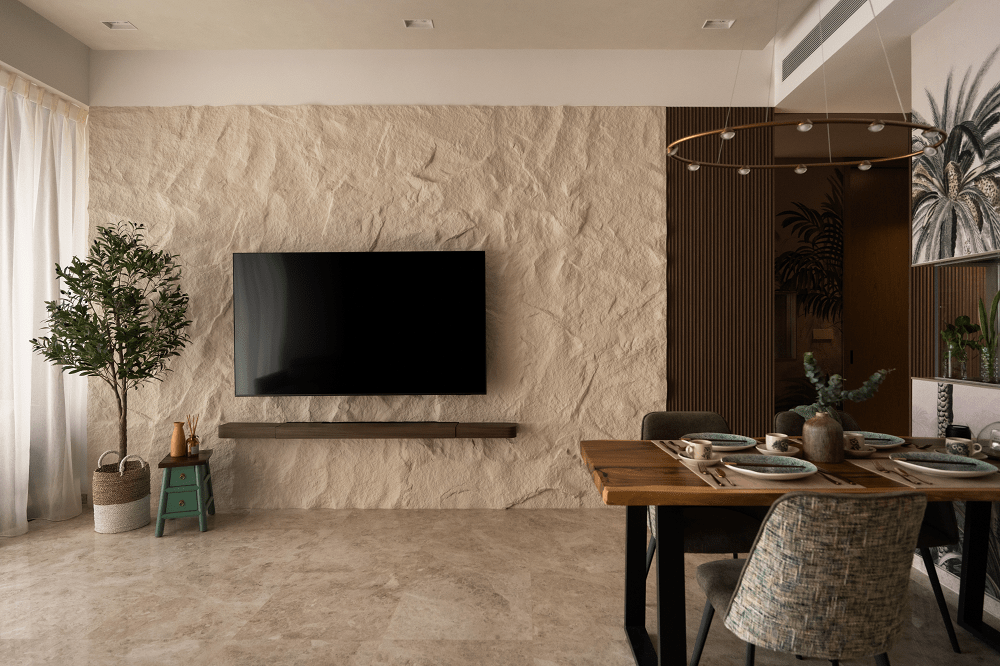
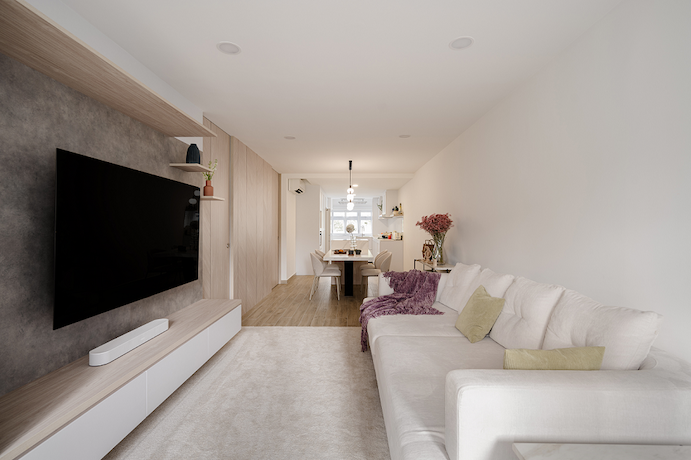
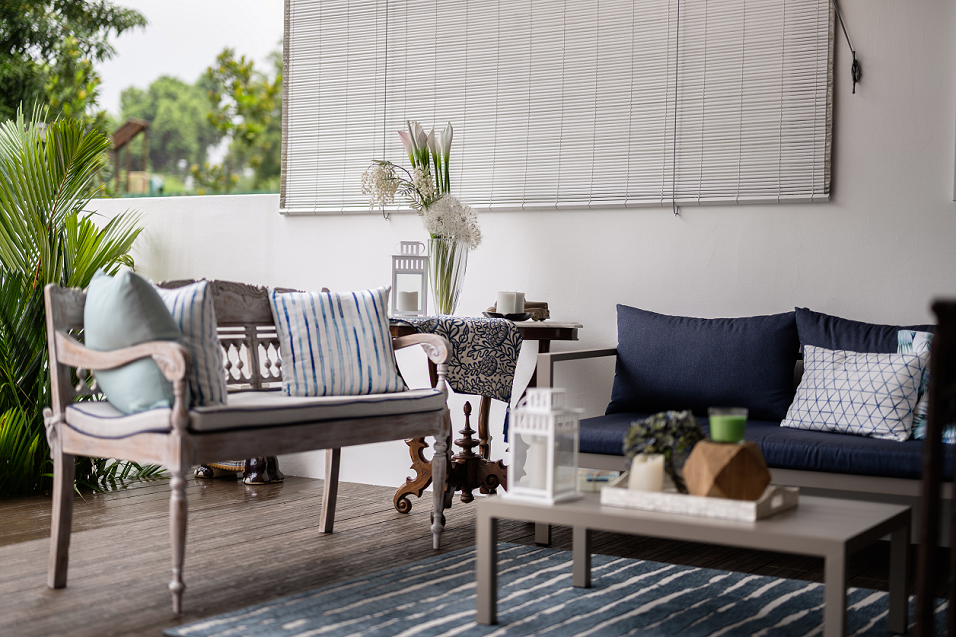
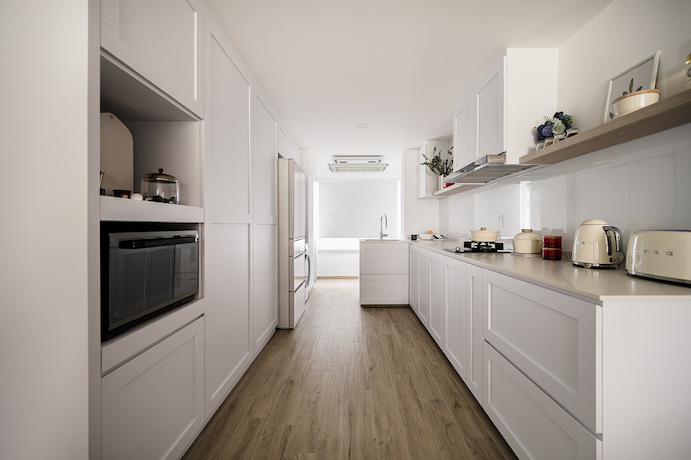
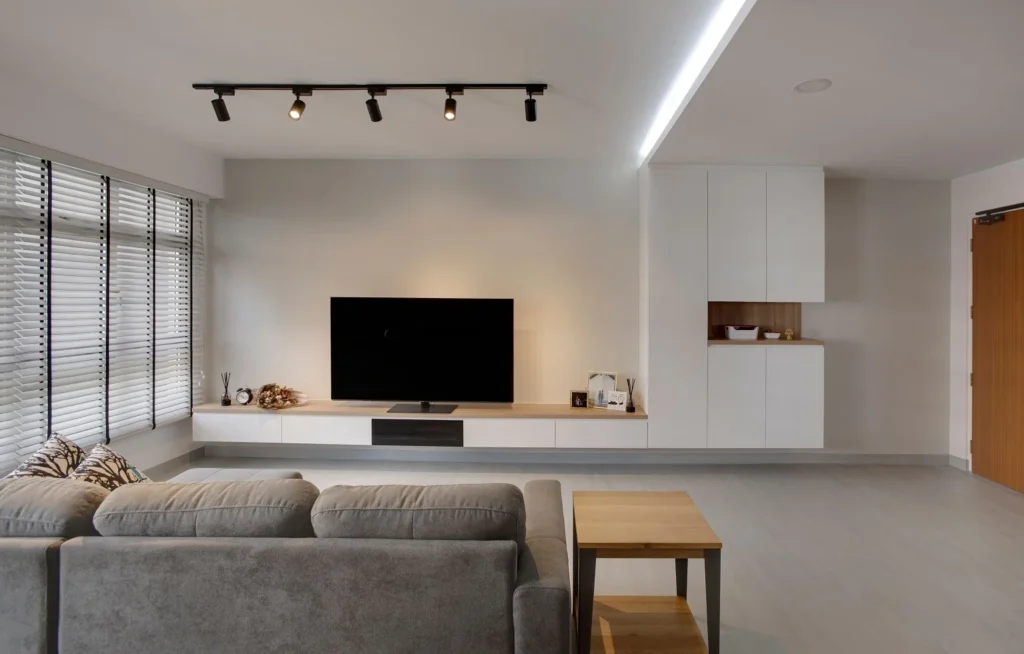
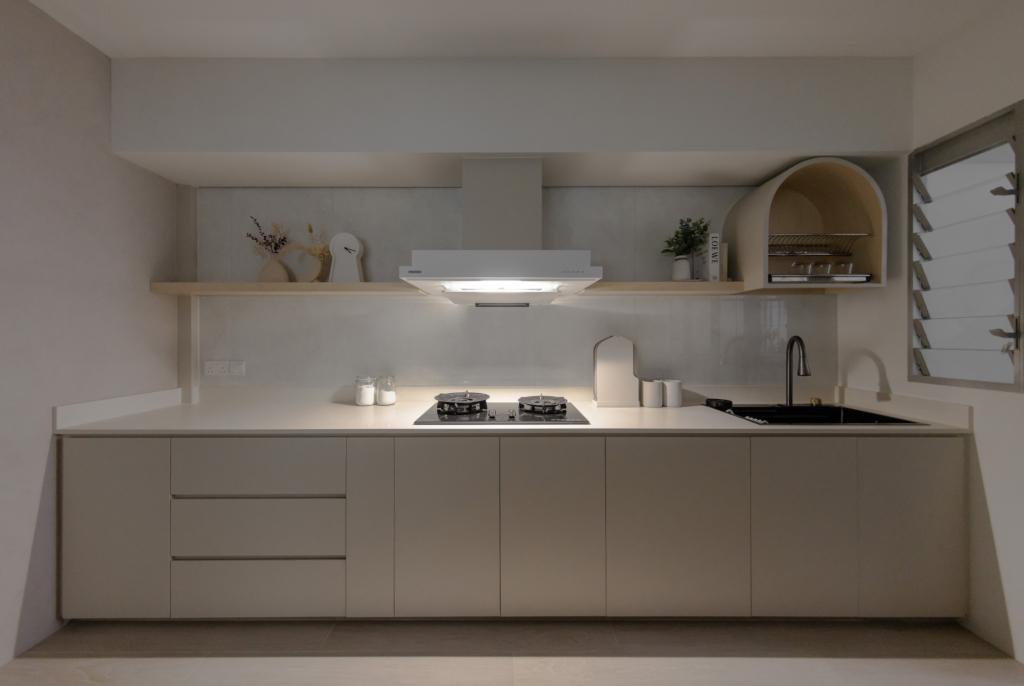
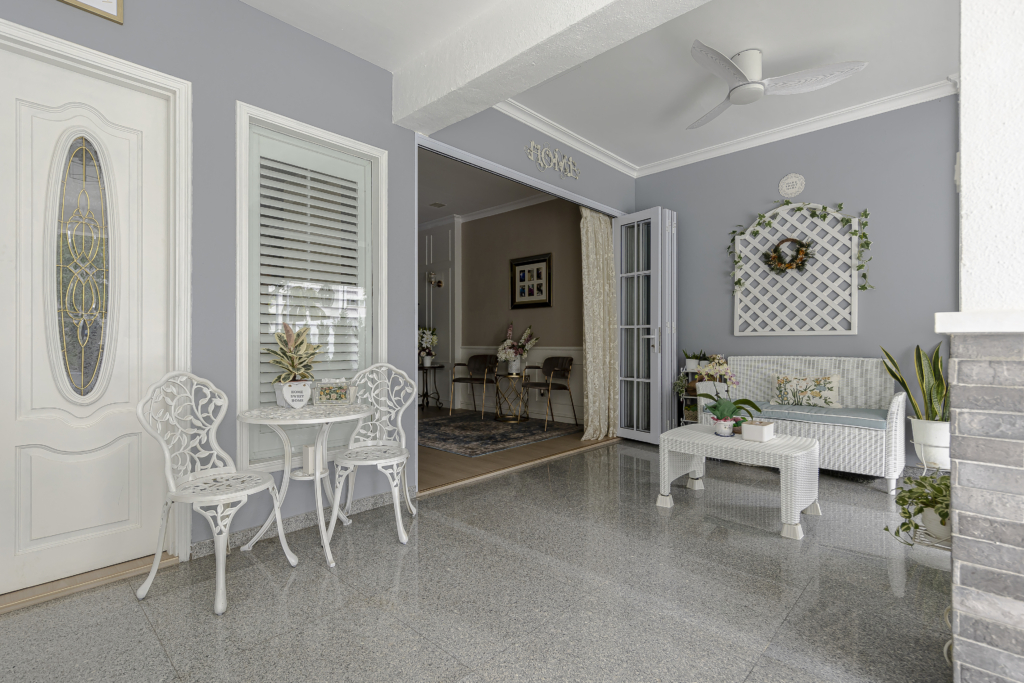
A cluster house asks a design question no other Singapore home does: how do you make a multi-storey house feel like one connected home? The answer is giving each floor its own purpose while keeping the whole house visually connected. In Singapore, a cluster house is also known as the home in between a landed house and a condo. Why? Because it has the space and multiple storeys you associate with landed housing. It comes with an attic, maybe a basement, and a private roof terrace. Wrapped around the house is the shared pool, gym and security of a condo. The best way to design one isn’t as a list of rooms that need a paint, a wallpaper and just some flashy furniture; but as a journey up through the house, because each level does a different job. So let’s walk it, from the front door up…. French Chic Style @ Ashwood What is a Cluster Home? Before you begin to renovate and design, let’s understand the deal. A cluster house is a strata-landed housing unit occupying a common development site with shared communal facilities and a single vehicular access point. It can comprise strata bungalows, semi-detached or terrace houses, and each unit’s building footprint must have a minimum 50 sqm ground contact. Strata-landed housing combines the form and space of landed housing with strata ownership and shared communal facilities. It is not accorded condominium status, even though the development may include facilities associated with a condo. Inside your four walls, you generally have the freedom of a landed home, though structural changes can still need sign-off. Outside them, because the whole cluster is one coherent development, the facade is not entirely yours to change, and the MCST has a say. URA’s strata landed housing guidelines set the frame. Once you understand this, every later decision gets easier. You own a whole house. You just don’t own the outsides entirely alone. It helps to see where a cluster house sits between the two homes people compare it to: Cluster (strata-landed) Landed house Condo unit Land title Strata Individual Strata Shared pool/gym Yes No Yes MCST management Yes No Yes Facade freedom Limited — must match the cluster High None (common property) Levels 2–3 + attic/basement 2–3 + attic/basement Single (unless duplex) Private roof terrace Often Common Rare Cluster House Renovation Process: Step-by-Step Floor-by-Floor Cluster House Renovation Designing The Ground Floor: The Social Heart The ground floor receives the most footfall in the whole house. When you are reimagining it, try to keep the ground floor as open as the structure allows — living, dining and kitchen flowing into one another, then out to the private enclosed space. One thing that we often keep in mind while renovating the ground floor is that we design it for social gatherings. Singaporeans love to host, so their home should be a place where friends and family gather, cherish and celebrate without feeling claustrophobic. A generous kitchen island, clear sightlines towards the garden and a continuous flooring or material palette can all help the space feel more connected. Get the ground floor breathing and the whole house feels bigger. Style tends to be set here too, because it’s the floor guests see. Calm and clutter-free design styles like Scandinavian and Japandi are some of the popular options we see in Cluster homes around Singapore. A consistent base of warm timber, stone or lighter tones gives you more room to introduce character through furniture, lighting and feature walls without making the floor feel visually fragmented. Here on the ground floor of French Chic, we went for Scandinavian interior design with beige and light wood tones that would reflect more natural light and brighten the room. Additionally, we added a white feature wall to make the room pop. Notice how the floor space opposite the feature wall does not have carpet in front of it? That’s deliberate! Rather than dividing the living areas with another wall or bulky piece of furniture, the change in flooring helps define the zones while keeping the sightline open. This separates the two areas without making the room feel smaller. How To Renovate The Staircase: The Spine of the House Every cluster house has one element a flat never will have A private staircase. Placed well, it becomes the sculptural centre of the home and a light well that pulls daylight down through all floors. Placed badly, it eats the floor on every level and leaves the core dark. Treat it as furniture, not circulation: the material of the treads, the design of the balustrade, and what you can see through and past it as you climb. Leave a void beside the stair, and the house design starts to feel incomplete. In Spatial Contrast, the area beneath the staircase was treated as part of the composition rather than left as dead space. Artwork and carefully placed decor give the wall and staircase a purpose. Now, it does not feel like you’re walking up against a blank wall. Upstairs: The Private Floors Climb up, and the house changes character. The upper storeys are like the sanctuary of most homeowners; it’s where their privacy lives — bedrooms, the master suite, and often a small family lounge that keeps everyday life off the formal ground floor. The job here is comfort and light, not spectacle: windows placed for morning sun over afternoon heat, built-in storage that keeps rooms serene, a quieter colour palette for rest. The Top: How to Redesign the Attic and Roof Terrace The top of a cluster house is its reward. Within the permissible envelope, an attic can become a study, media room or guest retreat — URA’s flexibility on attics and mezzanines adds usable space without a full storey. Beyond it, the roof terrace is landed living’s private sky garden: an outdoor room for dining, a plunge pool (where structural loading and approvals allow) or simply the view. Design it like a room but add weather-durable finishes, real
Cluster House Design & Renovation in Singapore: A Floor-by-Floor Guide Read More »