Walking into your new 3-room BTO is exciting! And then, you look around at the empty space, and suddenly realize you need to figure out where everything goes. The living room, the kitchen, and the bedrooms all need planning, and you’re working with about 60-65 square meters.
It’s not huge, but it’s enough. The question is: how do you make it work, without feeling cramped? How do you fit storage and furniture while still having enough room to live? This guide walks through practical 3 room bto design ideas for your bedroom, kitchen, and living room, focusing on solutions of everyday life.
Understanding Your 3-Room BTO Layout
Most 3-room BTOs follow a similar layout: two bedrooms, one bathroom, a combined living and dining area, and a kitchen. The space measures roughly 60-65 square meters total. That’s enough for a small family or a couple, but every decision about furniture and storage matters.
Before starting any renovation, take the time to understand your floor plan. Notice where the windows are, which walls you can work with, and where the plumbing runs. These details affect what you can change and what needs to stay.
The main challenge with 3 room bto interior design is balancing your needs with the space available. For instance, you need storage, but built-ins take up room. You want an open feel, but you also need defined areas for different activities. Most 3-room flats have an open-concept living area, which helps with spaciousness but requires smart zoning.
Common issues are tight corners that are hard to furnish, limited storage options, and the need to make every piece of furniture count. Don’t worry! This is where smart planning comes in, before renovation, which saves money and frustration later.
Bedroom Design Ideas for 3-Room BTOs
Master Bedroom Design Strategies
Your master bedroom is where you’ll spend about a third of your time at home, so getting it right matters. In a 3-room BTO, the master bedroom isn’t huge, but there’s enough space if you’re strategic. Here are some ideas that will help you with that.
Furniture That Saves Space
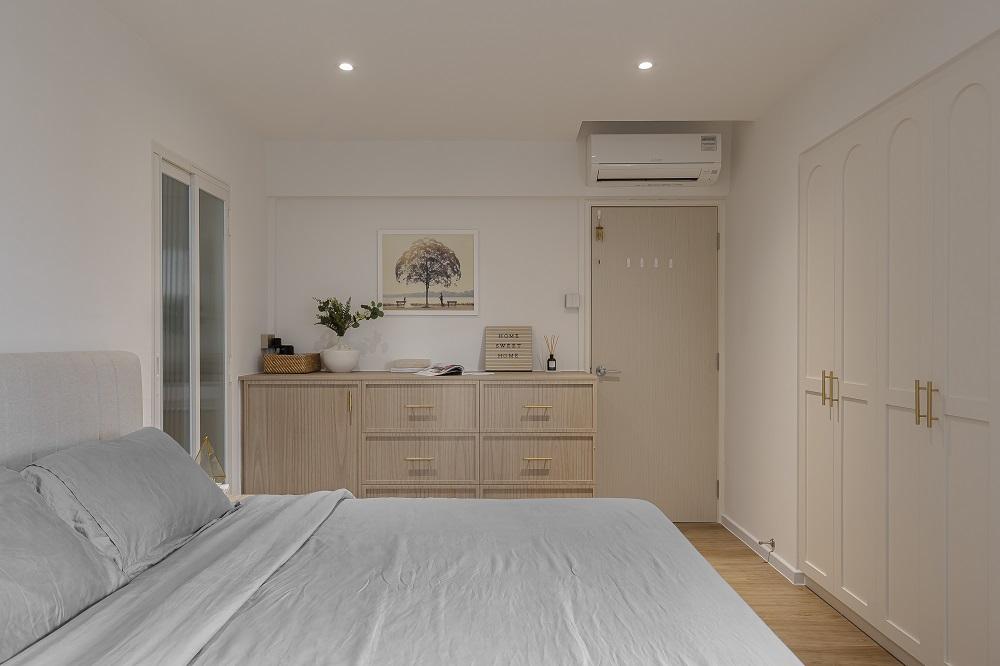
A platform bed with built-in storage drawers underneath, saves the need for a separate dresser. You gain storage without losing floor space. Wall-mounted bedside tables or floating shelves provide surface area for your phone, lamp, or book without taking up room on the floor.
For wardrobes, go floor-to-ceiling if possible. The extra height will add significant storage capacity. Sliding doors work better than hinged ones in smaller bedrooms because they don’t need clearance space to open. Inside the wardrobe, use organizers,adjustable shelves, drawer dividers and hanging racks for maximizing every inch.
Colors That Open Up Space
Light colors make small bedrooms feel larger. Soft whites, warm beiges, and gentle grays reflect light and create an open atmosphere. If you prefer pastels, they work similarly, keeping the space feeling airy.
A monochromatic color scheme (different shades of the same color) adds depth without visual clutter. If you want a bolder color, use it on one accent wall rather than the entire room. This adds personality without overwhelming the space.
Lighting That Works
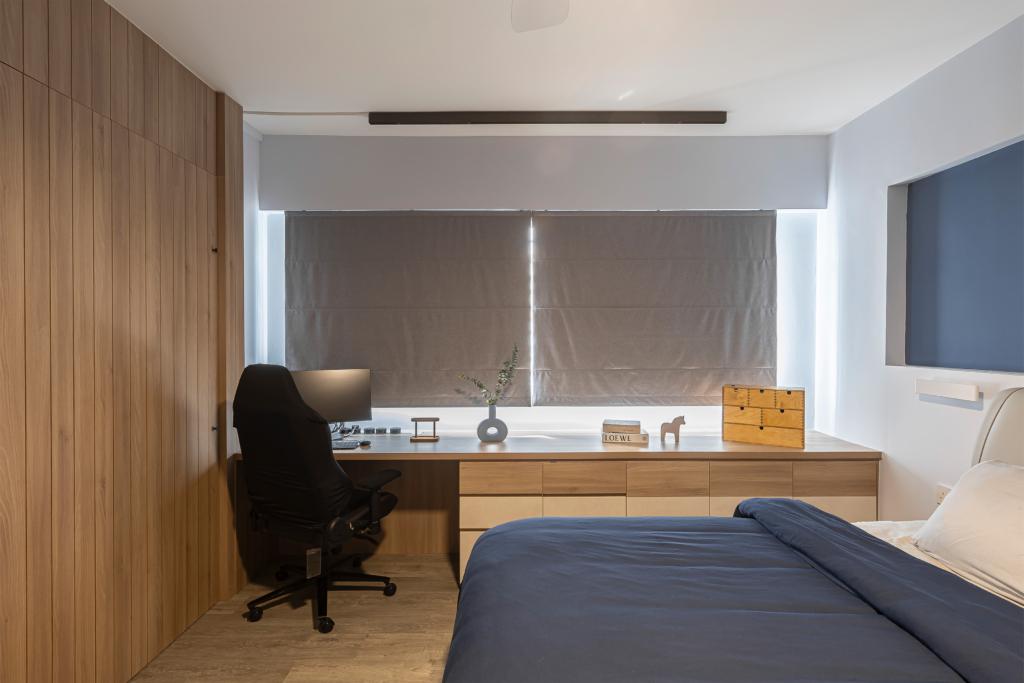
Makes quite a difference. Layer your bedroom lighting with three types: ambient (overhead), task (reading lamps), and accent (decorative). This gives you flexibility for different times of day and activities.
Wall sconces mounted beside the bed save nightstand space while providing directed reading light. They’re functional and keep surfaces clear for other items. Adding dimmer switches will let you adjust brightness from morning routines to evening routines.
Common/Second Bedroom Design
The second bedroom needs flexibility. It might be a guest room now, a nursery later, or a home office, depending on your needs.
Multi-Purpose Solutions
A Murphy bed or quality sofa bed allows the room to function differently at different times. During the day, it’s a workspace or sitting area. At night, it easily transforms into a cozy sleeping space whenever needed.
Modular furniture systems adapt as requirements change. A desk that works for hobbies today can become a homework station tomorrow. Shelves holding books now can store toys or work supplies later.
Storage for Smaller Bedrooms
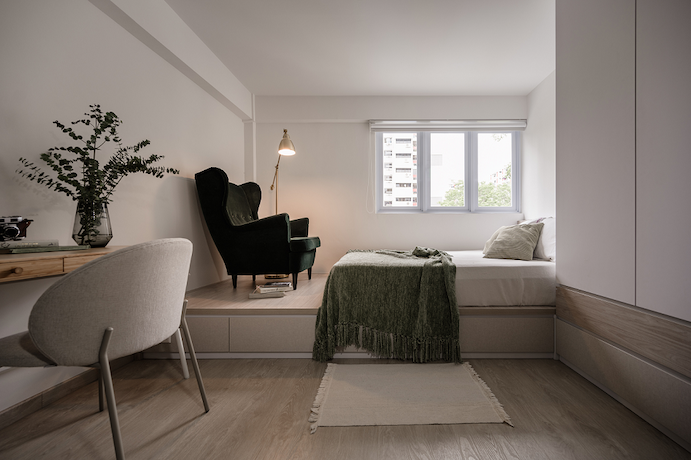
Vertical storage is essential. Install floating shelves or wall-mounted units that go upward instead of outward to keep floor space open while providing storage.
Use the space under the bed for storing seasonal clothes, extra bedding, or that items you don’t reach for every day. Rolling storage bins or vacuum-sealed bags help keep everything organised and easy to access.
Built-in designs, such as wall-to-wall shelving with a built-in desk, make the most of tricky corners and awkward spaces that regular furniture usually dont.
Styling Approaches
For a minimalist look, keep only essential furniture and maintain clear surfaces. Use closed storage to hide items and everything looks neat.
For a cozier feel, add textiles, rugs, cushions, throws and warmer lighting. Personal touches like photos or artwork make the space inviting without cluttering it.
Kitchen Design Ideas for 3-Room BTOs
Layout Optimization
Kitchen layouts in 3-room BTOs typically come in three configurations: galley (two parallel counters), L-shaped (counters on two adjacent walls), or open-concept (integrated with living area).
Galley Kitchens
Two parallel counters create an efficient workspace where everything stays within reach. Make sure there’s at least 120cm between counters so two people can move comfortably without bumping into each other.
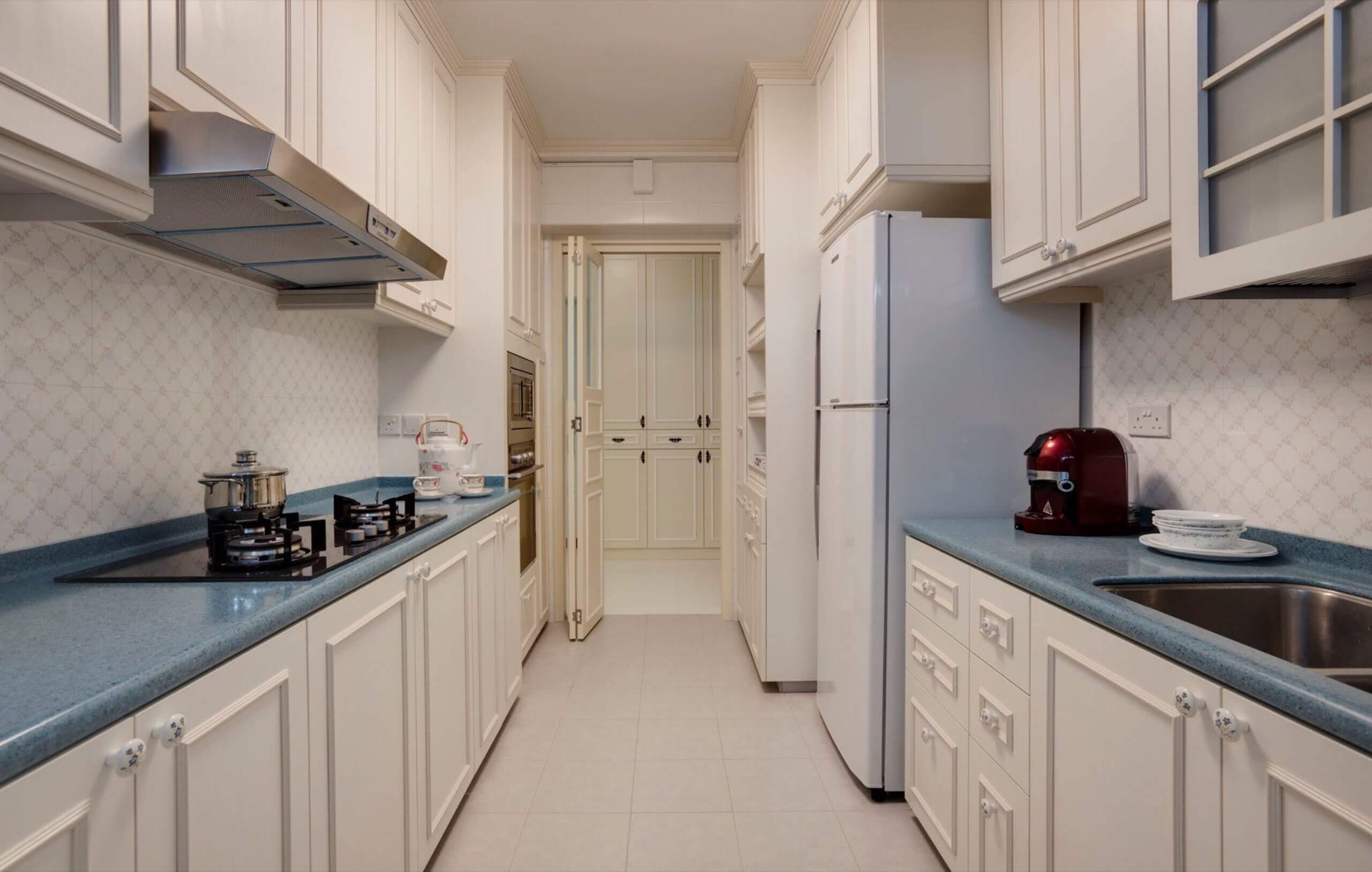
White Classic @ Punggol Central
L-Shaped Kitchens
These use corner space effectively and usually provide more counter area. The corner itself can be tricky, a lazy Susan (a rotating tray, usually circular to make it easier to access items on a table, countertop, or inside a cabinet) ora pull-out system helps access items stored there.
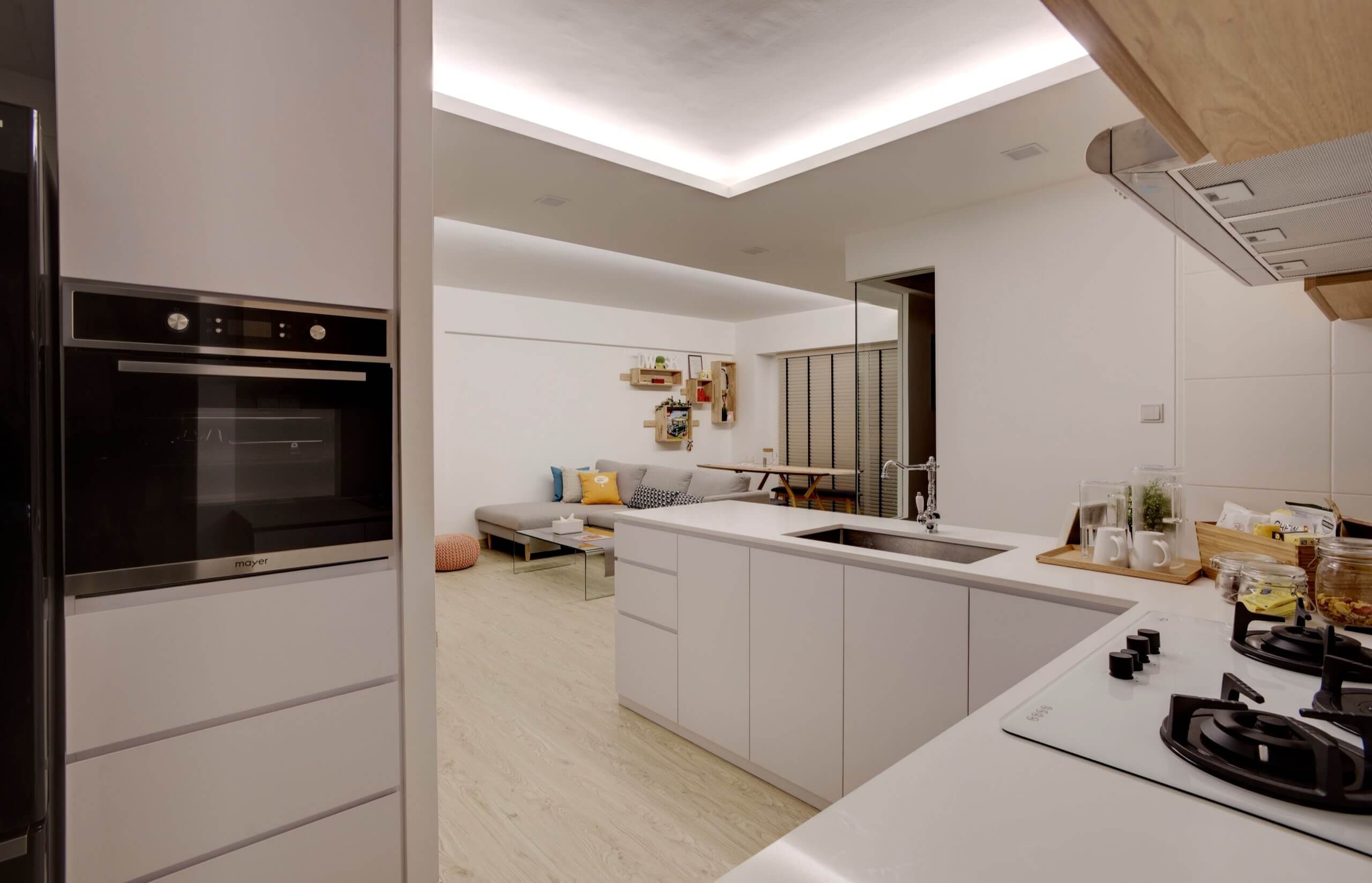
Japanese Modernism @ Cantonment Rd
Open vs. Closed Kitchens
Open kitchens create a spacious feel, and you can interact with family while cooking. However, they work best if you do lighter cooking. Heavy Asian cooking with lots of frying or strong spices means spreading rich aromas throughout your flat.
Many Singaporean families choose closed or semi-open kitchens. A closed kitchen keeps all the smells and mess inside the kitchen. A semi-open kitchen with sliding glass doors a good option as it offers flexibility, open it when you want airflow and close it when cooking something aromatic.
Work Triangle Principle
Arrange your refrigerator, sink, and stove in a triangle pattern. This layout minimizes unnecessary movement while cooking.
Maximizing Counter Space
In small kitchens, every bit of counter space counts. Consider a cutting board that fits over your sink, providing extra work surface when needed. A fold-down table or pull-out extension adds temporary counter space that tucks away afterwards.
Smart Storage and Organization
Cabinet Solutions
Floor-to-ceiling cabinets maximize vertical space. Use upper shelves for items you rarely need and keep everyday essentials at eye level.
Corner cabinet pull-outs or carousel systems prevent items from getting lost in deep corners. These mechanisms bring everything to the front with a simple pull.
Inside drawers, use organizers and dividers to stay organized as they keep utensils, spices, and cooking tools separated and easy to find.
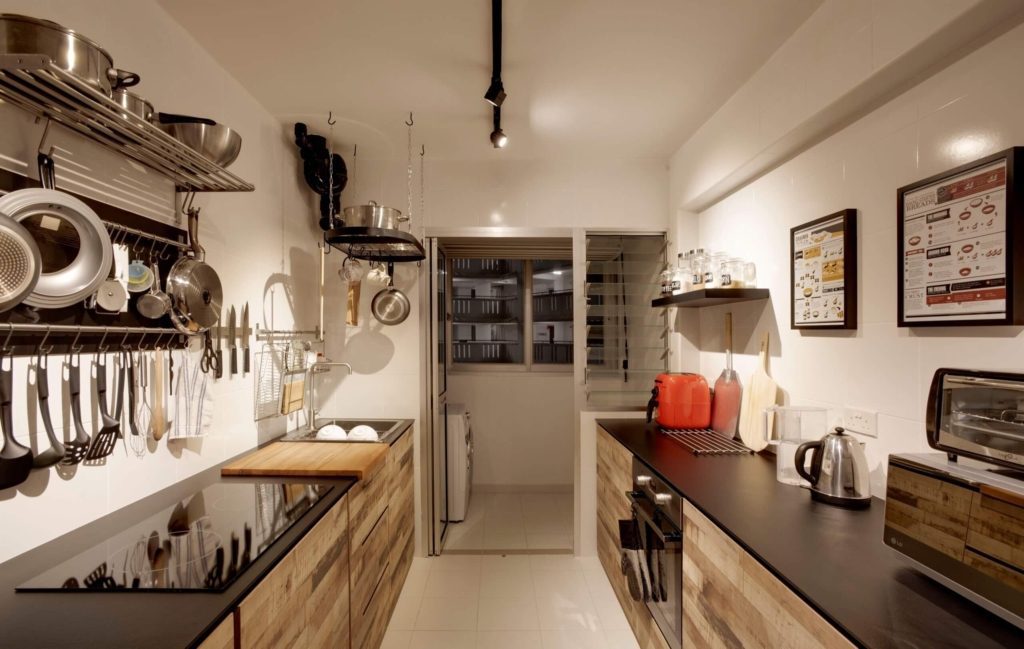
Industrial Makeover @ Fernvale Link
Using Vertical Space
Install overhead racks for pots and pans. Magnetic strips mounted on walls hold knives securely and free up drawer space. Open shelving works well for items you use daily, keeping them accessible and adding visual interest.
Under-Sink Storage
The area under your sink often becomes cluttered. Use pull-out caddies or stackable organizers to make this space functional. Group cleaning supplies together and keep them contained.
Style and Finishing Touches
Kitchen Aesthetics
Scandinavian minimalism is about clean lines, light colors, and natural wood tones. It’s simple and functional without feeling cold.
Modern industrial style combines darker colors, metal fixtures, and at times, exposed elements. It creates a contemporary look that’s gaining popularity.
Contemporary white kitchens remain timeless. White cabinets and counters brighten the space, making it feel larger.
Material Choices
Quartz countertops are durable and low-maintenance. They resist stains and heat well, making them practical for Singaporean cooking. Laminate offers a budget-friendly alternative that still looks good if you choose quality options.
For backsplashes, tiles in various styles protect your walls while adding visual appeal. Glass backsplashes are modern and easy to clean.
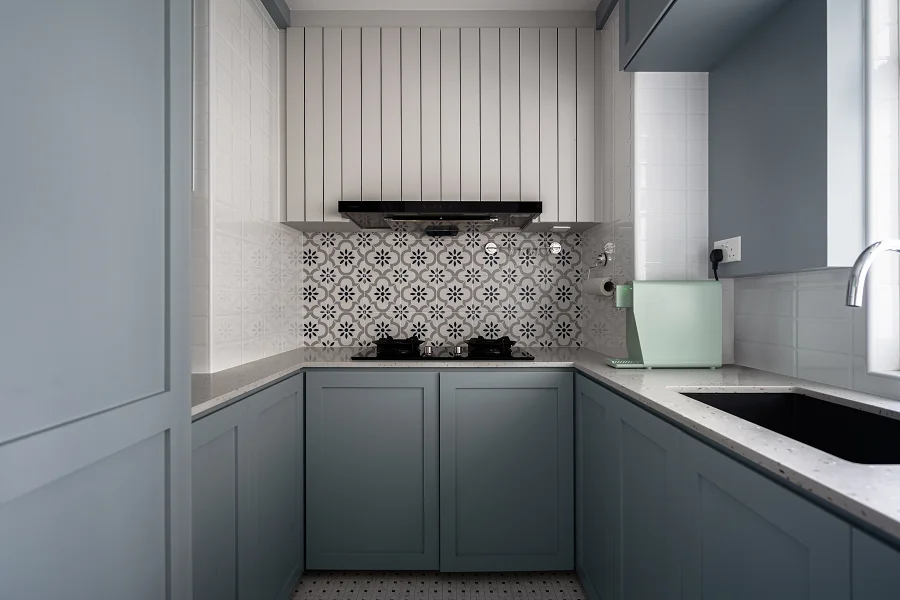
Scandi Farmhouse @ Upper Boon Keng
Lighting
Under-cabinet LED strips brighten work surface, making food preparation safer and easier. Pendant lights over a dining area or breakfast bar add both function and style, making sure adequate overall lighting, as kitchens need good visibility.
Appliance Integration
Built-in appliances create a streamlined appearance. If built-ins aren’t in your budget, choosing appliances in coordinating colors maintains visual cohesion.
Living Room Design Ideas for 3-Room BTOs
Creating Multifunctional Living Spaces
Most 3-room BTOs have an open-concept living and dining area. This openness makes the flat feel more spacious, but you need to define different zones without walls.
Zoning Without Walls
Area rugs are effective zone markers. Place one under your sofa and coffee table to define the living area. Use another under your dining table to create a separate dining zone. Choose rugs that complement each other to maintain visual flow.
Furniture placement also creates boundaries. Positioning your sofa with its back toward the dining area naturally separates the two spaces while keeping an open field of view.
Low bookshelf or console table can subtly divide your space, creating boundaries without shutting out light or making the room feel smaller.
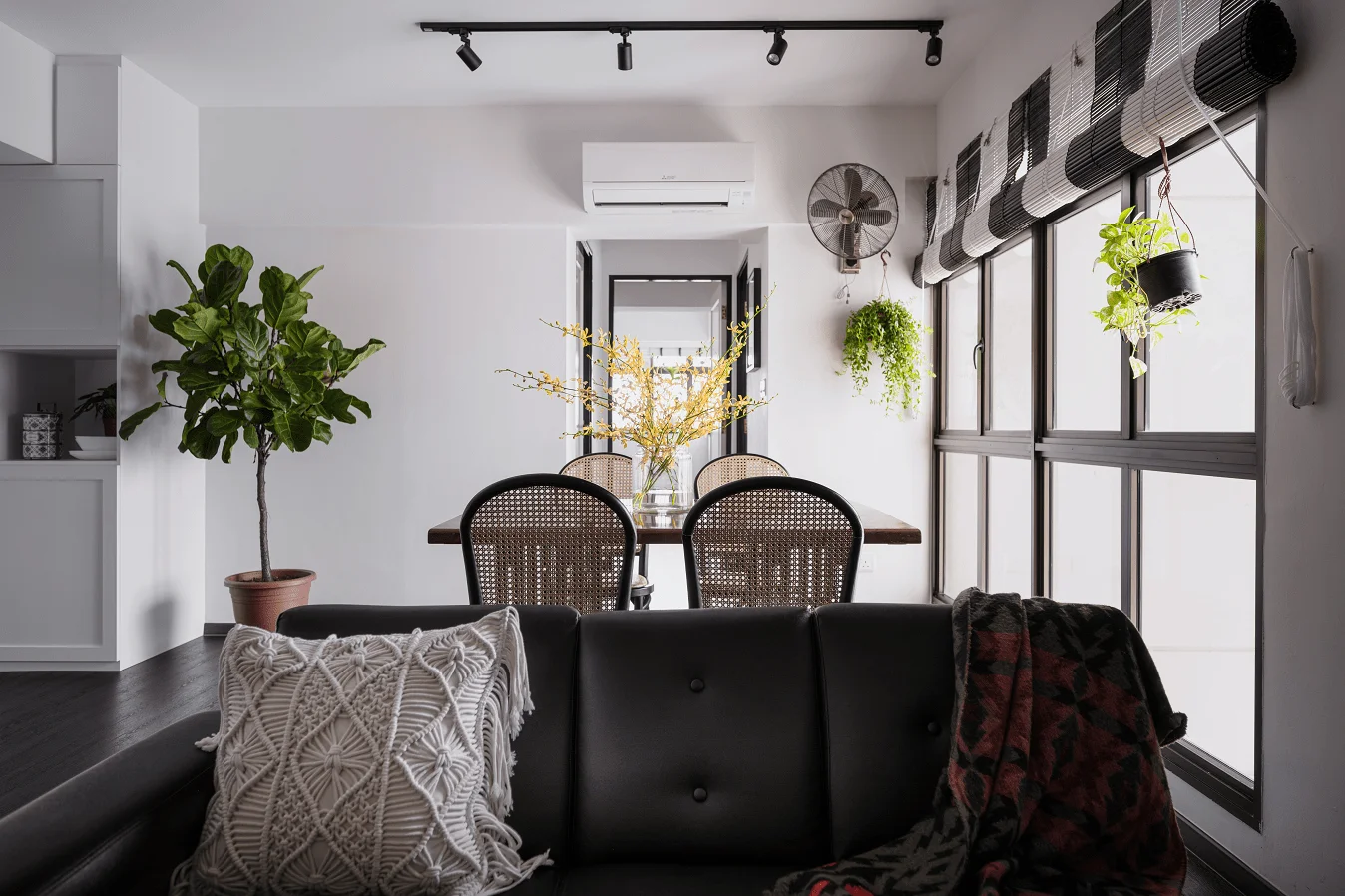
Globe-Trotting Lifestyle @ Tanglin
Balancing Living and Dining Areas
In compact spaces, balance is important. Your living area needs enough seating for comfort, and your dining area needs a functional table without dominating each other.
Choose appropriately sized furniture. A dining table that extends when needed saves daily space while accommodating guests occasionally.
Flexible Seating
L-shaped sofas provide ample seating while using corner space efficiently. Modular seating can be rearranged as needs change. Ottomans can be lifesavers, serving as footrests, extra seating, or even coffee tables with a tray on top.
Furniture Selection for Small Living Rooms
Right-Sizing Matters
Furniture that’s too large overwhelms the space. Furniture that’s too small looks out of place and doesn’t serve its purpose. Measure your space carefully and choose pieces that fit proportionally.
Traffic Flow
Leave clear pathways through your living room. People should move easily from the entrance to the bedrooms without squeezing between furniture. Aim for at least 80cm of walkway space in main traffic areas.
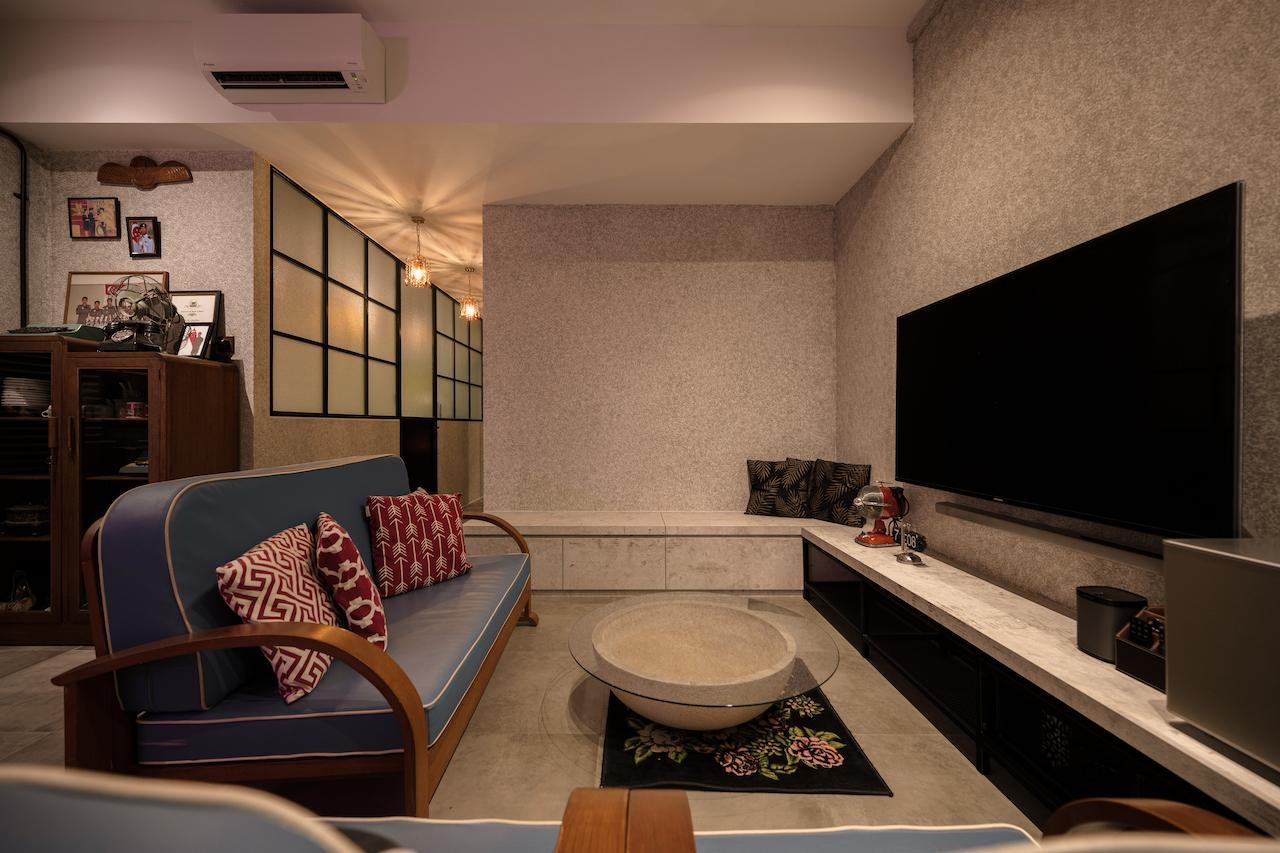
Space-Efficient Options
Nesting tables provide surface area when needed and tuck away when not in use. Wall-mounted TV units keep floors clear and create a floating effect that makes rooms feel more spacious.
Visual Tricks
Furniture with visible legs creates a sense of openness because you can see underneath it. This negative space makes rooms feel less crowded.
Glass or acrylic pieces like coffee tables provide functionality without visual weight. They’re there when you need them without dominating the space visually.
Storage and Display Solutions
Built-In TV Consoles
A floor-to-ceiling TV console maximizes storage while serving as a focal point. Include a mix of closed cabinets for hiding clutter and a few open shelves for displaying selected items.
Floating Shelves
Wall-mounted floating shelves provide display space without the bulk of traditional bookcases. Use them for books, plants, or decorative objects, but be selective; three to five items per shelf prevents a cluttered look.
Display Cabinets
For items worth displaying, choose cabinets with glass doors. They protect items from dust while keeping them visible
Minimizing Clutter
In small spaces, visible clutter quickly makes everything feel chaotic. Use trays or boxes to confine smaller objects and regularly edit what’s out on display.
Making Your 3-Room BTO Work for You
Designing a 3-room BTO comes down to making smart choices about what matters most to you. Prioritize what you’ll use daily and be realistic about your lifestyle.
If you cook regularly, invest more in your kitchen. If you work from home, create a proper workspace. If you have young children, prioritize storage and durable materials over delicate finishes.
Creating a well-designed interior is about more than just looks—it’s about enhancing your everyday life. If you’re planning for a cozy yet functional HDB 3-room interior design, a stylish and balanced HDB interior design for 4 rooms, or a spacious, versatile HDB 5-room design, our team is here to bring your vision to life. With a focus on thoughtful design and practicality, we also offer specialized solutions for commercial, condo, and landed property interiors, ensuring every home reflects your unique style and needs.
At SpaceFactor, we’ve helped many Singaporean families navigate 3 room bto renovation design. We understand the limitations and opportunities these flats present and which contractors are reliable, which materials work in Singapore’s climate, and how to maximize compact spaces.
Frequently Asked Questions About 3-Room BTO Design
What is the typical size of a 3-room BTO flat?
Most 3-room BTO flats in Singapore measure 60-65 square meters. A typical 3-room BTO includes two bedrooms (one master, one common), one bathroom, a combined living and dining area, a kitchen, and usually a service yard. The total floor area ranges from about 60 to 65 square meters (approximately 645-700 square feet).
How do I design my 3-room BTO flat to make it look bigger?
To make your 3-room BTO flat look more spacious, focus on light, neutral colours and clean lines. Use mirrors to reflect light, opt for multi-functional furniture, and keep layouts open. Avoid bulky pieces — instead, go for slim, elevated designs that visually open up the floor area.
What is the best interior design style for a 3-room BTO flat?
Popular styles for 3-room BTO flats include Scandinavian, minimalist, and modern contemporary designs. These styles emphasise simplicity, light tones, and natural textures — ideal for maximising space while keeping your home bright and airy.
How can I make my 3-room BTO bedroom feel cosy yet uncluttered?
Choose a calming colour palette, like warm neutrals or soft pastels. Go for built-in wardrobes, under-bed storage, and floating shelves to keep surfaces clear. Soft lighting and layered textures, like linen and wood, can instantly make the space feel warm and inviting without clutter.
What are some smart kitchen design ideas for a 3-room BTO flat?
For a compact BTO kitchen, consider galley or L-shaped layouts. Use upper cabinets for vertical storage and pull-out drawers for better organisation. A glass backsplash or light-toned countertop helps reflect light, while a sliding door or open concept layout keeps the kitchen feeling airy.
How can I design my 3-room BTO living room to look modern and functional?
Keep the design open and clutter-free with wall-mounted TV units, nesting tables, and modular sofas. Use light colours, natural materials, and a few bold accents for a modern touch. Adding a low bookshelf or console table can subtly separate zones without blocking light or making the space feel cramped.
What are affordable ways to renovate a 3-room BTO flat?
To save on costs, prioritise built-in carpentry for essential storage, keep existing layouts to avoid hacking, and choose durable yet affordable materials like laminate instead of marble. Mixing ready-made furniture with a few custom pieces helps balance style and budget.
How do I maximise storage in a 3-room BTO without making it look cluttered?
Use multi-functional furniture such as storage beds, benches, and ottomans. Opt for floor-to-ceiling cabinets to make the most of vertical space, and stick to sliding doors to free up room. Hidden or built-in storage solutions help maintain a sleek, tidy look.